The UK’s energy transition continues to accelerate with a significant milestone in the battery storage sector. Abu Dhabi-based renewables developer Masdar has commenced commercial operation of its first battery energy storage system (BESS) project in the United Kingdom, marking the beginning of a major £1 billion investment in grid-scale storage infrastructure.
First Project Now Online in Stockport
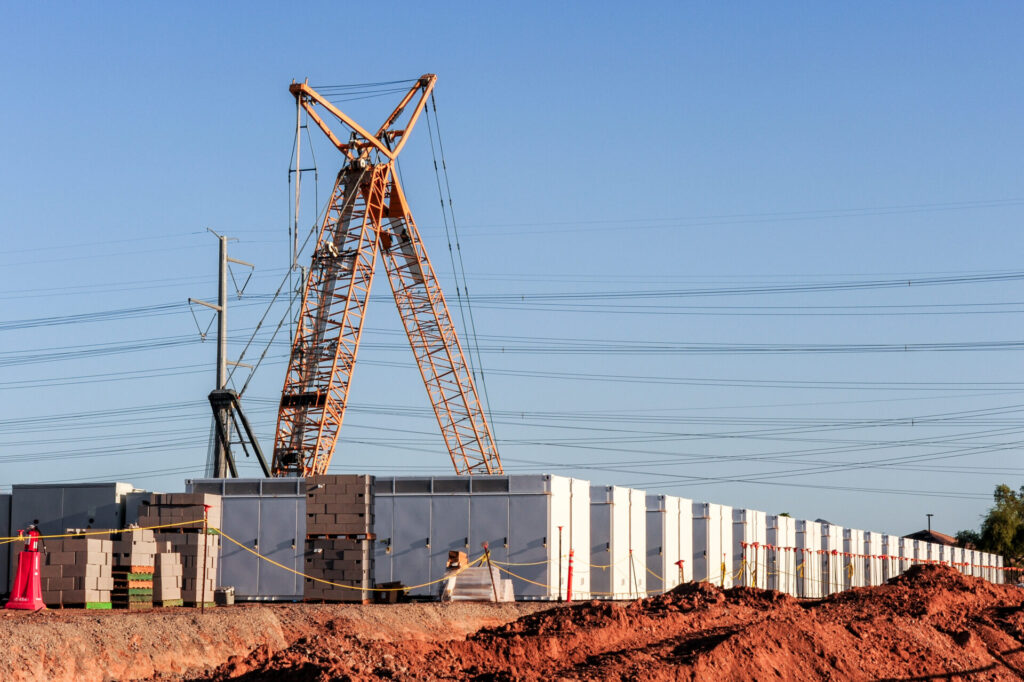
Masdar’s newly commissioned 20 MW / 40 MWh battery storage facility in Stockport — located on Welkin Road — has officially begun operations, capable of storing enough electricity to power approximately 20,000 UK homes for over two hours. Construction began in May 2024, and the facility now represents the first completed project from a planned 3 GWh pipeline of storage assets across the UK.
The Stockport site is notable for being developed on a brownfield location, incorporating biodiversity enhancements such as bird and bat habitat provisions and native flora planting — illustrating how former industrial land can be repurposed for sustainable energy infrastructure.
Expansion Plans: Cardiff and Chesterfield Next
Alongside the Stockport completion, Masdar has confirmed progress on two further BESS projects in Cardiff and Chesterfield, scheduled to offer a combined 150 MW / 300 MWh of storage capacity once operational. Together, these facilities are expected to power more than 35,000 homes for an entire day, significantly bolstering grid flexibility and resilience.
These additional facilities will continue Masdar’s approach of using previously developed land, including former industrial and coal-related sites, further demonstrating how the energy transition can support land reuse and regeneration.
Why This Matters to the UK Energy Market
Battery storage is increasingly recognised as a critical enabler for the UK’s move toward a low-carbon power system. These systems help to:
- Balance intermittent renewable generation by storing excess electricity during low demand periods and releasing it at peak times, improving grid stability and efficiency.
- Support renewable integration — particularly wind and solar — which otherwise struggle with variability.
- Enhance energy security and reduce costs for consumers and businesses by reducing reliance on fossil generation and smoothing price volatility.
The UK government has set an ambitious target under the Clean Power 2030 Action Plan to deploy up to 27 GW of battery storage by the end of the decade, and private investment pipelines like Masdar’s play a central role in achieving this vision.
Implications for the Broader Sector
This development reflects broader momentum in the UK energy storage market. Regulatory and planning activity over 2025 has shown a near-doubling in battery storage project approvals, highlighting a surge in market interest and investment appetite.
For energy consultants and industry stakeholders, this milestone reinforces several key trends:
- Grid decarbonisation depends as much on storage as generation — storage assets are essential to achieve grid reliability as renewable capacity grows.
- Investment readiness matters — projects that can secure planning, land viability, and grid connections early are likely to lead deployment waves.
- Cross-sector impacts — storage benefits touch on economic development, land repurposing, community engagement, and regional investment strategies.
How UK Businesses Can Benefit From Battery Storage
While large-scale battery projects like Masdar’s are transforming the national grid, battery storage is also becoming increasingly accessible for businesses with on-site solar PV. Commercial battery systems allow organisations to store excess solar generation for use during peak demand periods, reduce reliance on the grid, and protect against price volatility. For many businesses, this means greater energy independence, improved ROI on solar investments, and enhanced resilience during grid constraints or outages. At BP Consulting, we support businesses through the entire process — from assessing suitability and financial viability to facilitating trusted battery storage solutions that align with operational needs, budgets, and long-term decarbonisation goals.
Looking Ahead
Masdar’s initial UK BESS project demonstrates that large-scale storage can move from planning to operation in a relatively short timeframe when supported by strategic investment and policy alignment. As additional facilities in Cardiff, Chesterfield and beyond come online, the UK’s storage footprint will expand, contributing to a more resilient, flexible, and low-carbon power system.
For businesses and stakeholders in the energy sector, understanding the evolving storage landscape will be crucial — not only for advising clients on grid infrastructure, renewables integration, and energy policy, but also for spotting opportunities in project financing and technology deployment.