Energy data plays a crucial role in how organisations understand and manage their energy consumption. Many businesses invest in energy efficiency measures, procurement strategies, and carbon reduction initiatives, but the accuracy of the data behind those decisions is often overlooked. When metering data is incorrect or incomplete, it can quietly create financial losses, operational challenges, and missed opportunities for improvement.
Accurate metering provides the foundation for effective energy management. Without reliable data, organisations may struggle to identify inefficiencies, monitor performance, or verify the impact of energy-saving measures. Over time, the hidden costs of poor energy data can become significant.
Why Accurate Energy Data Matters
Energy metering systems are designed to track how much energy a building, facility, or piece of equipment consumes. This data supports everything from billing and budgeting to sustainability reporting and operational planning.
When metering data is accurate, organisations can clearly understand where energy is being used and where improvements can be made. Reliable data helps identify unusual consumption patterns, detect faults in equipment, and highlight opportunities for efficiency improvements.
However, when the data is inaccurate or incomplete, it becomes much harder to make informed decisions. Incorrect readings may lead to misleading consumption patterns, which can result in the wrong strategies being implemented or genuine problems being overlooked.
The Financial Impact of Poor Metering
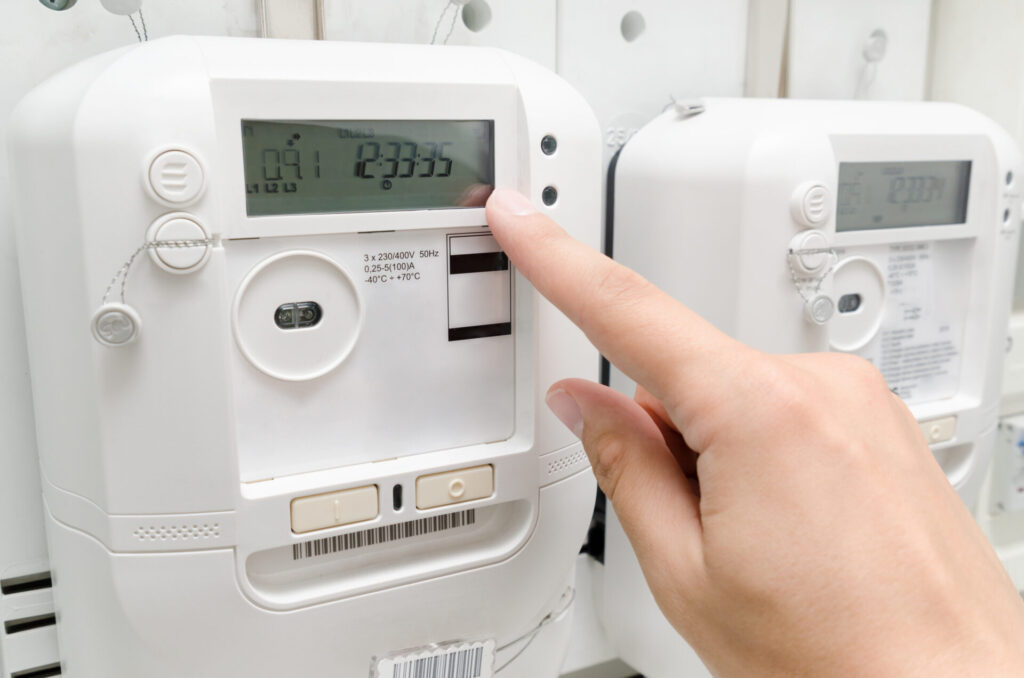
One of the most immediate consequences of poor energy data is its financial impact. If energy meters are faulty, incorrectly installed, or poorly maintained, billing may not accurately reflect actual consumption.
In some cases, organisations may end up overpaying for energy due to estimated readings or incorrect meter configurations. In other situations, under-recorded consumption can lead to unexpected backdated charges once the issue is discovered. Both scenarios create financial uncertainty and make it difficult for organisations to forecast energy costs accurately.
Challenges for Energy Management and Efficiency
Energy efficiency initiatives depend heavily on reliable data. When organisations implement energy-saving technologies or operational changes, they need accurate measurements to determine whether those measures are delivering the expected results.
If metering data is unreliable, it becomes difficult to measure progress. Improvements may appear smaller than they actually are, or in some cases, they may appear larger due to inaccurate readings. This uncertainty can make it harder to justify further investment in energy efficiency projects.
In addition, poor metering can hide underlying issues such as equipment faults or inefficient systems. Without clear visibility of energy consumption, problems may go unnoticed for long periods, leading to unnecessary energy waste, big maintenance expenses, and higher operational costs.
Implications for Carbon Reporting and Compliance
Accurate energy data is also essential for environmental reporting and regulatory compliance. Many organisations are now required to report their energy consumption and carbon emissions as part of sustainability frameworks or government regulations like ESOS (Energy Savings Opportunity Scheme) and SECR (Streamlined Energy and Carbon Reporting).
If the underlying data is unreliable, the resulting reports may be inaccurate. This can create compliance risks and may damage credibility with stakeholders, investors, or regulators. As organisations place greater emphasis on sustainability and transparency, the importance of reliable metering data continues to grow.
Accurate data also supports long-term carbon reduction strategies. Organisations need a clear understanding of their baseline energy consumption in order to measure progress towards environmental targets.
Common Causes of Inaccurate Energy Data
There are several reasons why energy data may become unreliable. Faulty meters, ageing equipment, incorrect meter configurations and communication failures within monitoring systems can all affect the quality of the information organisations rely on.
In some cases, the issue stems from outdated metering infrastructure. Older sites may still rely on basic meters that only provide limited readings, making it difficult to understand when and where energy is being used. Without sufficient sub-metering or detailed monitoring, organisations may only see total consumption rather than the activities or systems responsible for it.
Manual data collection can also introduce problems. When readings are gathered infrequently or entered manually, errors and gaps in data can occur. These inconsistencies reduce the reliability of energy reports and make it harder to identify unusual consumption patterns or operational issues.
The Growing Importance of Half-Hourly Data
Half-hourly metering provides a much more detailed picture of how energy is used across a site. Rather than relying on monthly or estimated readings, half-hourly data records consumption every 30 minutes. This allows organisations to see exactly when energy demand increases, how equipment behaves during different operating periods, and whether consumption patterns change over time.
This level of detail is particularly valuable when identifying inefficiencies or operational problems. For example, half-hourly data can reveal if equipment is running outside normal operating hours, if heating and cooling systems are competing with each other, or if there are sudden spikes in demand that indicate faults.
Half-hourly data also supports more accurate energy procurement and budgeting. When organisations understand their demand patterns more clearly, they can make better decisions about energy purchasing and load management.
Smart Metering and Upcoming Industry Changes
The role of advanced metering is becoming even more important as the UK energy market evolves. Smart meters and advanced metering systems allow energy consumption data to be recorded automatically and transmitted remotely, significantly improving data accuracy and reducing the risk of estimated readings.
One of the key developments driving this shift is the Market-Wide Half-Hourly Settlement programme, often referred to as MHHS. This reform aims to ensure that electricity consumption across the market is settled using half-hourly data rather than traditional estimates.
Under these changes, smart and advanced meters capable of recording half-hourly consumption will play an increasingly important role. From 2027 onwards, regulatory changes and industry guidance are expected to further encourage the use of smart meters and detailed consumption data to support a more flexible and accurate electricity system.
For organisations, this means that improving metering infrastructure now can help future-proof energy management strategies. Accurate, high-resolution data will become increasingly valuable not only for cost management, but also for participating in more dynamic energy markets and supporting wider decarbonisation goals.
Energy management strategies are only as effective as the data that supports them. Accurate metering provides the insight organisations need to understand their consumption patterns, identify inefficiencies, and implement meaningful improvements.
By prioritising metering accuracy and maintaining reliable energy data, organisations can reduce financial risk, strengthen operational decision-making, and build a stronger foundation for long-term energy management.
For support with your metering and energy management, get in touch with our expert team today.