Mon-Fri 9am - 5pm

BP Consulting

MHHS Migration Gains Momentum Across UK

Our Services

Energy
Management
The UK energy industry’s transition to Market-wide Half-Hourly Settlement (MHHS) is entering a critical new phase, with migration activity accelerating and regulators applying increasing pressure on suppliers to stay on schedule. More than 8.4 million electricity meters have now been moved onto half-hourly settlement, marking one of the most significant electricity market reforms in decades.
For businesses and organisations across the UK, the shift toward half-hourly settlement is expected to improve billing accuracy, enable smarter energy usage and support a more flexible electricity system. However, it also introduces new operational requirements and highlights the importance of preparing for a more data-driven energy market.

What Is Market-wide Half-Hourly Settlement?

MHHS is a major reform of the electricity settlement process designed to modernise how energy usage is measured and billed. Instead of relying on estimated consumption profiles or infrequent meter readings, the new system uses actual half-hourly consumption data to settle electricity usage more accurately.
The reform forms a key part of the UK’s wider net zero strategy and is intended to support the growth of renewable generation, electric vehicles, battery storage and flexible energy demand. By improving visibility over when electricity is consumed, suppliers can develop more responsive tariffs and incentivise users to shift demand away from peak periods.
The programme officially entered its migration phase in October 2025 and is scheduled to continue through to May 2027.
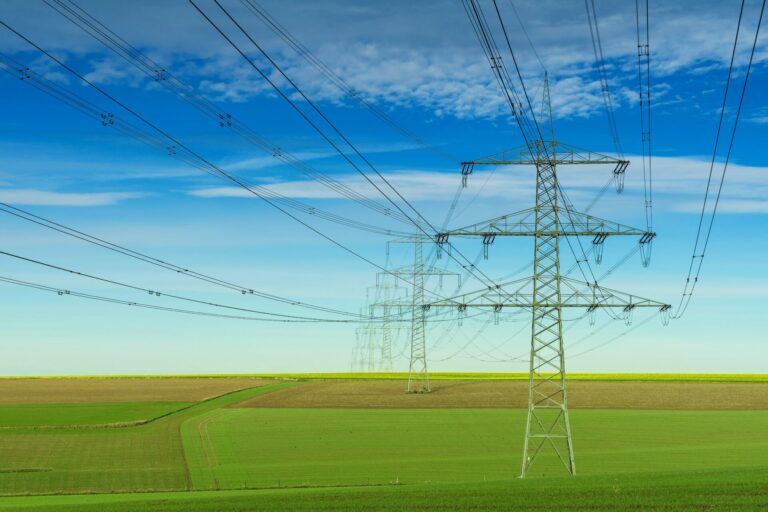
pylons against blue sky representing MHHS

Ofgem Tightens Oversight of MHHS Delivery

A major development this month came with Ofgem approving industry rule change P487, which strengthens enforcement measures around the MHHS rollout. Under the updated framework, suppliers that fail to complete migration to the new settlement arrangements by May 2027 could face restrictions on registering new electricity meters.
The decision is widely viewed as a significant step because it removes uncertainty around supplier participation and reinforces the regulator’s commitment to keeping the programme on track. Ofgem has already made clear that further delays will not be tolerated, warning energy companies that the reform is considered essential to future energy market flexibility and customer savings.
In parallel, Ofgem has introduced additional directions requiring market participants to demonstrate robust planning, sufficient resourcing and ongoing progress reporting throughout the migration period.
The increased regulatory scrutiny reflects the scale and importance of the programme. Ofgem estimates that MHHS could deliver between £1.5 billion and £4.5 billion in consumer benefits by 2045 through improved efficiency and greater flexibility in electricity usage.

Migration Sprints Are Driving Industry Coordination

To manage the transition effectively, the MHHS Programme has introduced a structured migration approach based on “migration sprints”. According to the programme framework, migration activity is being delivered through nine separate sprints running between October 2025 and May 2027.
This sprint-based structure is designed to minimise disruption while allowing suppliers and industry bodies to identify operational issues early in the process. It also supports a phased transition rather than a single nationwide switch-over. Each sprint contains three phases:
  • Planning Phase

    Suppliers submit migration plans and forecasts through the programme’s coordination systems. These plans are consolidated into a baseline migration schedule.  

  • Execution Phase

    Market participants carry out the migration of eligible meters and MPANs into the new settlement arrangements.  

  • Retrospective Phase

    Participants review outcomes, capture lessons learned and refine processes ahead of future migration waves.  

Why This Matters for Businesses

Although much of the industry conversation has focused on suppliers and settlement systems, MHHS will also have a direct impact on businesses and organisations consuming electricity.
One of the most immediate changes will be improved visibility of energy usage patterns. With accurate half-hourly data, organisations will be able to understand precisely when electricity is being consumed and where opportunities for optimisation exist. This could lead to several practical benefits:
  • More Accurate Billing

    Half-hourly settlement reduces reliance on estimated usage profiles, helping to improve billing accuracy and reduce disputes.  

  • Greater Access to Flexible Tariffs

    Suppliers are expected to introduce more time-of-use and dynamic pricing products as the reform progresses. Organisations that can shift energy-intensive activities away from peak demand periods may benefit from lower costs.  

  • Stronger Energy Management Strategies

    The increased availability of detailed consumption data could support wider energy efficiency and carbon reduction initiatives, particularly for organisations with net zero targets or growing electrification demands.  

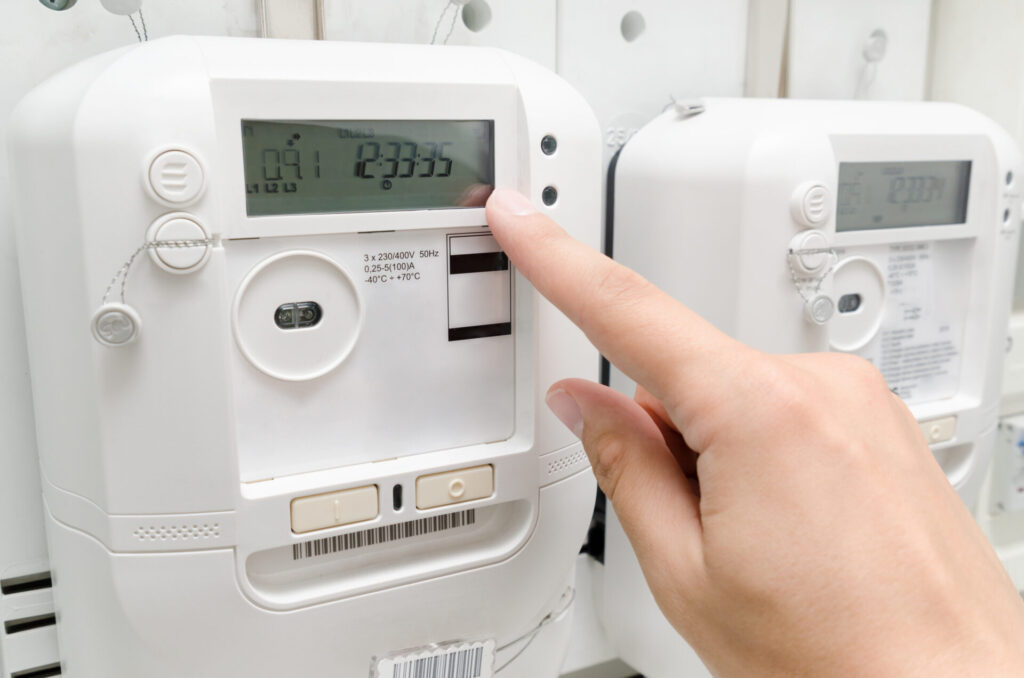
Electric energy meter. Electrical technician servicing metering unit

The Industry Is Moving Into Delivery Mode

Recent milestones achieved by the MHHS Programme suggest the industry has now moved firmly into operational delivery. Central systems are live, migration has started and the first successful meter transitions have already taken place.
Elexon has also confirmed that dozens of market participants have already qualified for MHHS participation, although many more still need to complete qualification activity ahead of the October 2026 target date.
At the same time, new data infrastructure and settlement systems are being developed to support the future electricity market. This includes enhanced data repositories and load shaping systems that could play a major role in enabling future flexibility services.
The pace of MHHS implementation is clearly increasing, and the programme is becoming a defining part of the UK’s transition toward a smarter electricity system.
For organisations, the reform should not simply be viewed as a compliance exercise. The move toward accurate half-hourly data creates opportunities to improve energy visibility, strengthen operational efficiency and prepare for a market where flexibility and demand management become increasingly valuable.

As migration activity intensifies through 2026 and beyond, businesses that engage early with their energy data and metering arrangements are likely to be better positioned to benefit from the changes ahead. If you have any questions or would like guidance regarding the move to MHHS don’t hesitate to get in touch with our team, we’re happy to help.
Facebook
LinkedIn
Discover More