Energy costs remain a significant pressure for schools, colleges and universities across the UK. With large buildings, extended operating hours and increasing digital infrastructure, educational institutions often face high energy demand alongside tightening budgets. Improving energy efficiency offers a practical way to manage these costs while supporting wider sustainability goals.
For many educational institutions, energy efficiency is not about one single change but a series of smaller, strategic improvements. When implemented consistently, these changes can significantly reduce consumption without affecting the quality of learning environments.
Why Energy Efficiency Matters in Education
Educational estates are often complex. A single campus can include classrooms, science labs, sports facilities, kitchens, accommodation and administrative buildings, all with different energy requirements. Older buildings can also present additional challenges, particularly where insulation or heating systems are outdated.
Improving energy efficiency helps educational institutions manage operational costs more effectively while creating more comfortable environments for students and staff. Well-managed energy use can also support sustainability targets, something that is increasingly important for institutions seeking to demonstrate environmental responsibility.

Implementing Solar Panels Across Campuses
Installing solar panels can be a highly effective way for schools, colleges and universities to improve energy efficiency while reducing long-term energy costs. Educational buildings often have large roof spaces, making them well suited for on-site solar generation.
Producing electricity on-site allows institutions to become more self-reliant and reduce their dependence on the national grid, helping protect budgets from energy price fluctuations while supporting sustainability targets.
Solar installations can also provide a strong return on investment over time. Once installed, panels generate electricity for many years with relatively low maintenance requirements, lowering electricity purchasing costs. Educational institutions may also benefit from the Smart Export Guarantee, allowing them to receive payments for excess electricity exported back to the grid.
Improving Building Insulation
Heat loss remains a common issue in older educational buildings. Poor insulation in walls, roofs or windows can lead to significant energy waste during colder months.
Improving insulation does not always require major structural work. Simple measures such as sealing drafts, installing secondary glazing or improving roof insulation can help retain heat more effectively. Over time, these improvements reduce the amount of energy required to maintain comfortable temperatures.
Upgrading Lighting Systems
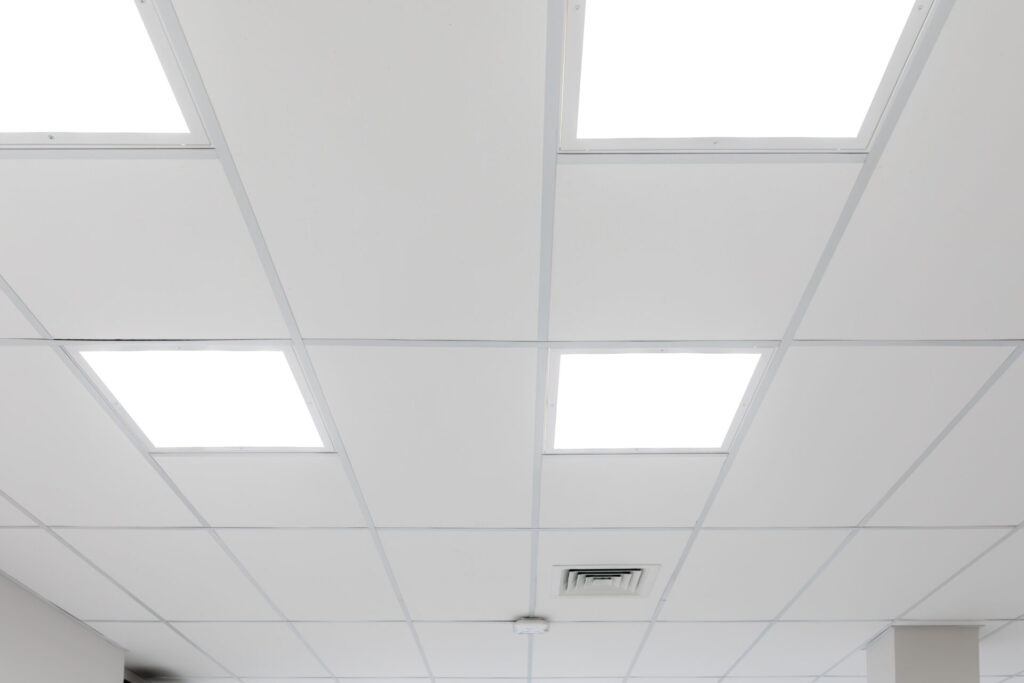
Lighting accounts for a large portion of electricity use in educational environments, particularly in buildings that operate from early morning through to evening. Switching to LED lighting can dramatically reduce electricity consumption while also lowering maintenance requirements.
LEDs last significantly longer than traditional lighting, meaning fewer replacements and reduced disruption, and adding motion sensors and daylight controls can further improve efficiency by ensuring lights are only used when necessary.
Using Energy Data to Identify Opportunities
Access to accurate energy data can help educational institutions better understand how and when energy is being used across their estates.
Monitoring systems allow facilities teams to identify unusual consumption patterns, highlight inefficient equipment and evaluate the impact of energy-saving initiatives. With clear data, organisations can make more informed decisions about where improvements will have the greatest impact.
Energy efficiency in education is most effective when approached as an ongoing strategy rather than a one-time project. By combining building improvements, smarter technology and greater energy awareness, schools and universities can significantly improve the efficiency of their estates.
With energy costs continuing to fluctuate, schools that actively manage their energy use are often better positioned to maintain financial stability while supporting long-term sustainability goals.