


Following Andy Burnham’s appointment as Prime Minister, the UK’s energy sector has seen a series of significant announcements and early policy signals. While it is still very early in his premiership, the direction of travel is becoming clearer, with a strong emphasis on making energy more affordable while continuing the transition towards a lower-carbon electricity system.
Alongside the Government’s initial actions, businesses, investors and industry bodies are already calling for further reforms, particularly around electricity pricing, nuclear energy and investment certainty.
Immediate Focus on Energy Costs
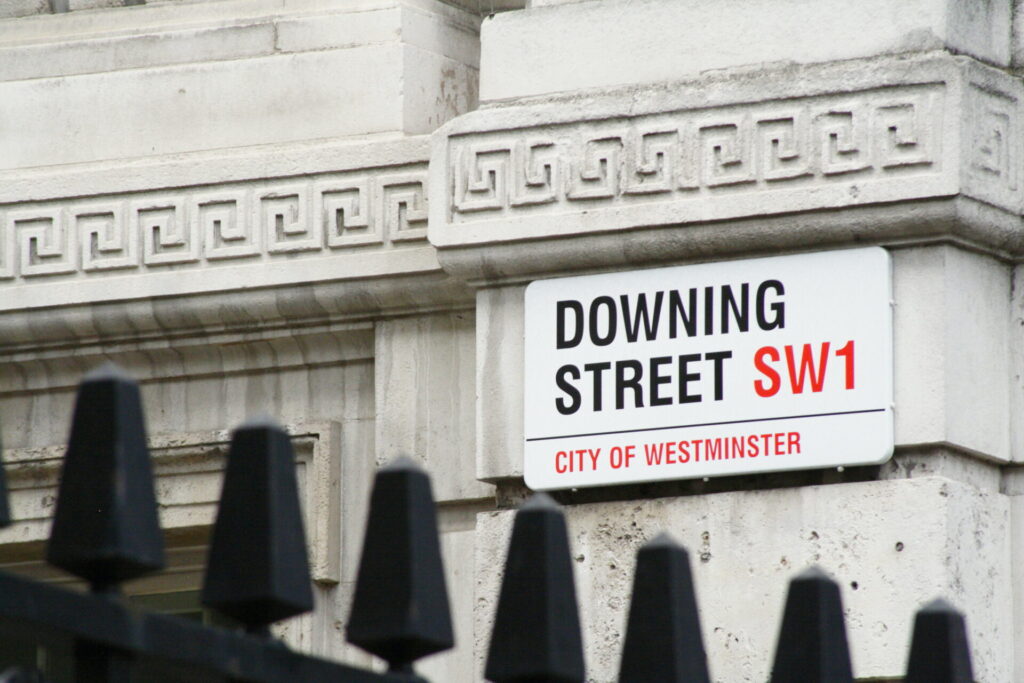
One of the first announcements from the new Government has been the decision to remove VAT from household electricity bills from October, forming part of a wider package of cost of living measures. While this is aimed at domestic consumers rather than businesses, it reinforces Burnham’s message that reducing energy costs will be a central priority of his Government.
For businesses, however, many within the energy sector believe deeper structural reform will be needed to make UK electricity more competitive over the long term.
A New Cabinet, But Familiar Energy Ambitions
Burnham has also reshaped his Cabinet, moving former Energy Secretary Ed Miliband into the role of Foreign Secretary and appointing Miatta Fahnbulleh as the UK’s new Energy Secretary. The appointment signals continuity in the Government’s commitment to clean energy while potentially bringing a more pragmatic approach to balancing decarbonisation, energy security and affordability.
Although personnel have changed, the Government’s overall ambition of delivering a cleaner electricity system remains unchanged.
Industry Calls for Lower Electricity Prices
One of the clearest messages emerging from the energy industry is that simply subsidising bills is unlikely to solve the UK’s long-term competitiveness challenge. Industry leaders are urging the Government to reform the way electricity is priced, arguing that businesses continue to face some of the highest industrial electricity costs in Europe despite growing renewable generation.
Many believe that reducing the cost of power should become one of Burnham’s defining energy priorities, helping manufacturers and energy-intensive industries remain competitive while encouraging further electrification across transport, heating and industrial processes.
Supporters argue that cheaper electricity would not only benefit households but also accelerate investment in technologies such as heat pumps, electric vehicles and battery storage by making electricity a more attractive alternative to fossil fuels.
Nuclear Still Viewed as Essential
Alongside electricity market reform, the UK’s nuclear industry is calling for continued progress on new nuclear projects. Following the introduction of the Nuclear Regulation Bill, organisations including Nuclear Industry Association members have stressed that regulatory reform must remain a priority if the UK is to meet its clean energy ambitions.
The industry argues that a modern, proportionate regulatory framework is essential to accelerate the deployment of both large-scale nuclear power stations and Small Modular Reactors (SMRs). Reducing unnecessary regulatory delays could improve investor confidence and help bring new low-carbon generation online more quickly.
Supporters also point to nuclear’s role in providing reliable baseload electricity that complements renewable technologies such as wind and solar, helping improve energy security while reducing reliance on imported fossil fuels.
Balancing Affordability, Security and Net Zero
The challenge facing the new Government will be balancing several competing priorities.
Businesses are looking for lower electricity prices to remain competitive, investors want greater policy certainty to unlock billions of pounds of infrastructure investment, while the Government remains committed to progressing towards a cleaner electricity system.
Although Burnham’s first few days in office have focused largely on immediate cost of living measures, many in the energy sector will now be looking for longer-term reforms that address the underlying cost of electricity, strengthen energy security and provide greater confidence for investment in low-carbon infrastructure.
It is still too early to judge the long-term direction of Andy Burnham’s energy strategy. However, his opening week has already highlighted three clear themes:
The coming months are likely to determine whether these early ambitions translate into wider reforms that deliver lasting benefits for households, businesses and the wider UK economy.
Facebook
LinkedIn
Discover More

The rapid growth of data centres across the UK is raising concerns about electricity demand, grid capacity and the potential...
Read More
Ofgem has announced £16.2 million in funding for 16 innovative projects aimed at modernising Britain’s energy networks, improving infrastructure and...
Read More
The government has announced plans for a new publicly owned Great British Grid, as part of wider efforts to modernise...
Read More
Business energy costs have risen significantly over recent months, creating another period of uncertainty for organisations trying to manage their...
Read More