The UK is taking another step towards building a more flexible and sustainable energy system with the launch of a new facility designed to test second-life electric vehicle (EV) batteries for grid-scale energy storage. Developed by Connected Energy at Scottow Enterprise Park in Norfolk, the site will assess how used EV batteries can be repurposed to support the electricity grid — helping to balance supply and demand as renewable generation continues to grow.
As electrification accelerates across transport and heating, the need for effective energy storage has become critical. This project highlights how innovation in battery reuse could play an important role in addressing that challenge.
What Are Second-Life EV Batteries?
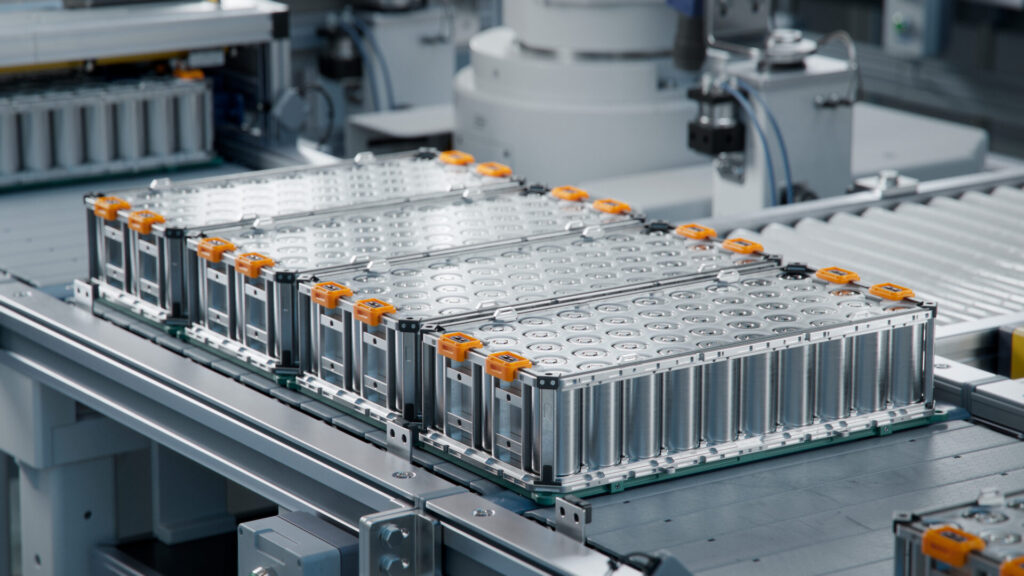
EV batteries are typically removed from vehicles once their performance drops below the level required for driving. However, at this point many still retain a significant proportion of their original capacity. Rather than being recycled immediately, these batteries can be redeployed in stationary energy storage systems, where performance demands are lower but reliability remains essential.
This “second-life” approach offers both environmental and economic benefits. Extending the usable life of batteries reduces waste, maximises the value extracted from raw materials, and can lower the cost of storage compared to newly manufactured systems. For a power system increasingly reliant on intermittent renewables, affordable storage solutions are becoming indispensable.
Why This New Facility Matters
What makes the Norfolk facility particularly significant is that it goes beyond laboratory testing. The site will house a 5 MWh battery energy storage system that operates as a live grid asset while simultaneously collecting performance data. This allows engineers and system operators to observe how second-life batteries behave under real grid conditions, rather than in controlled pilot environments.
The facility will test batteries from a range of electric buses and commercial vehicles, helping to build a clearer picture of how different battery chemistries and usage histories affect long-term performance. Importantly, the system will also participate in energy markets, providing flexibility services and generating revenue. This commercial exposure is crucial for understanding whether second-life storage can scale in a financially viable way.
Backed by the Advanced Propulsion Centre, the project also reflects wider government interest in strengthening the UK’s battery ecosystem — from manufacturing and reuse through to recycling.
Implications For The UK Energy System
As renewable generation expands, the role of energy storage becomes more central to maintaining grid stability. Wind and solar output does not always align with demand, creating a growing need for technologies that can store excess power and release it when required. Battery storage helps reduce curtailment, supports frequency response, and limits reliance on fossil-fuelled peaking plants.
Second-life batteries could complement conventional battery energy storage systems by providing a lower-cost option for certain applications. If performance and reliability can be demonstrated at scale, they may help accelerate the deployment of storage capacity across the UK — particularly at a time when supply chains and capital costs remain under pressure.
Challenges Still To Overcome
Despite their potential, second-life batteries are not without challenges. Variability in battery condition, uncertainty around degradation rates, and the complexity of integrating mixed battery assets all present technical and commercial risks. Long-term data is still limited, which can make investors and system operators cautious.
This is where facilities like the one in Norfolk become especially valuable. By combining operational use with detailed testing, they can generate the evidence needed to improve confidence, refine standards, and inform future regulation and market design.
Looking Ahead
The development of this testing and storage facility marks a shift from experimental pilots towards practical deployment of second-life EV batteries. If successful, it could help establish battery reuse as a meaningful component of the UK’s energy transition — supporting grid resilience, reducing waste, and improving the economics of storage.
As the energy system continues to evolve, projects that bridge innovation and real-world operation will be essential. Second-life battery storage may not be a silver bullet, but initiatives like this show how existing technologies can be re-imagined to meet the demands of a decarbonised, electrified future.