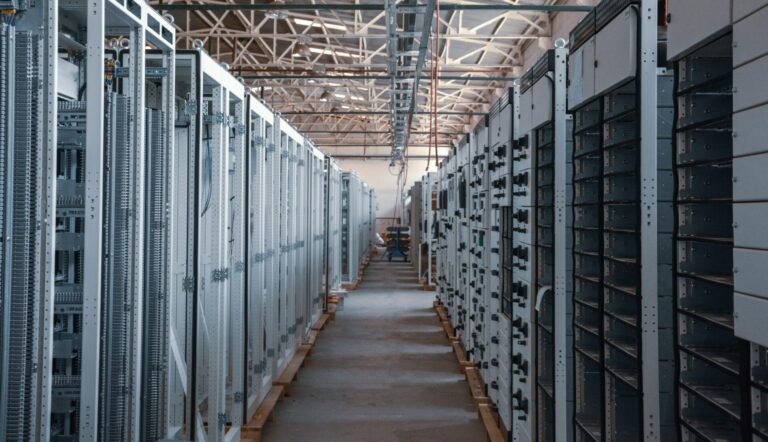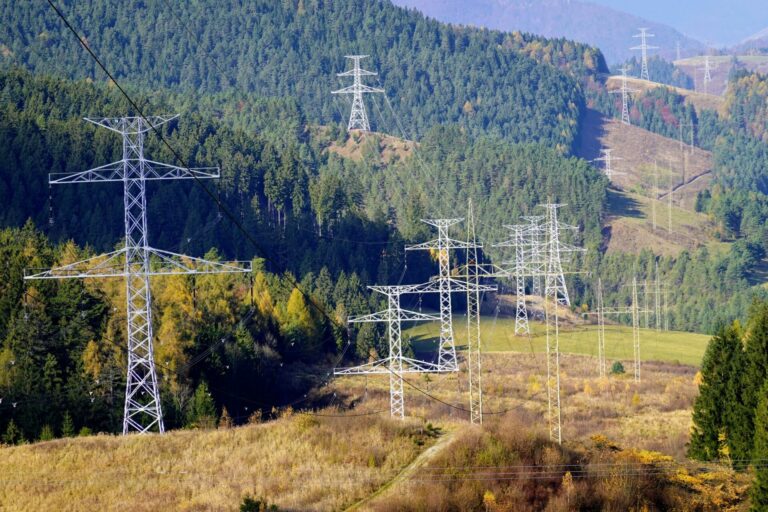
London’s electricity network is undergoing a major upgrade, much of which is happening out of sight. National Grid has recently switched on the first section of a new underground tunnel system designed to strengthen how electricity is delivered across the capital. This marks an important milestone in the London Power Tunnels 2 project, a large-scale investment aimed at ensuring London’s power network remains reliable, resilient and ready for future demand.
At the heart of the project is a series of deep tunnels carrying high-voltage electricity cables beneath South London. The newly energised section connects the New Cross substation in Southwark with the Hurst substation in Bexley. Electricity is now flowing through this tunnel for the first time, providing a modern replacement for older cables that were laid decades ago just below road level.
Why London Needs New Power Tunnels
Much of London’s existing electricity infrastructure was installed in the 1960s. While it has served the city well, many of these cables are now reaching the end of their working life. Maintaining or replacing them at street level is increasingly difficult in a busy, densely populated city. Road closures, traffic disruption and access challenges all add cost and complexity.
The solution has been to move critical power infrastructure much deeper underground. By placing new cables in tunnels up to 50 metres below the surface, National Grid can reduce disruption at street level while also protecting the network from damage and environmental risks. These tunnels are large enough to walk through and are similar in size to those used for London’s deep underground rail lines.
This approach allows engineers to access and maintain cables in a controlled environment, without the need to dig up roads or pavements. Over time, this will significantly reduce the impact of electricity works on residents, businesses and transport networks.

Building Capacity for an Evolving City
London’s energy needs are changing. Population growth, increased electrification and the shift away from fossil fuels are all placing new demands on the electricity network. Electric vehicles, heat pumps and data-driven industries all rely on a stable and flexible supply of power.
The London Power Tunnels 2 project has been designed with these changes in mind. Once complete, the tunnel network will stretch for more than 30 kilometres across seven South London boroughs, linking key substations from Wimbledon in the west to Crayford in the east. It will replace several ageing cable routes with modern, high-capacity alternatives.
This added capacity helps ensure that electricity can be delivered where it is needed, when it is needed, even as demand patterns evolve. It also improves resilience, reducing the risk of faults and outages caused by ageing equipment.
Reducing Disruption Above Ground
One of the key benefits of the project is its impact on everyday life in the capital. Large-scale infrastructure work often causes significant disruption, particularly in urban areas. By tunnelling deep underground, National Grid has been able to carry out much of the construction work with limited effect on roads, homes and businesses.
While some surface sites were required for tunnel access and construction, these were carefully managed and temporary. Once the tunnels are fully operational, future maintenance work will largely take place underground, avoiding repeated disruption at street level. This approach reflects a broader shift in how critical infrastructure is delivered in major cities, where space is limited and the cost of disruption is high.
What Happens Next
Although switching on the first circuit is a major achievement, work on the London Power Tunnels 2 project is not yet complete. A second high-voltage circuit will be energised in due course, with the full project expected to be completed in 2026. Once finished, the tunnel network will form a key part of London’s electricity backbone for decades to come.
It will provide a more resilient, less disruptive and more adaptable way of delivering power across the capital. In summary, the move to underground power tunnels represents a practical and forward-looking response to the challenges of supplying electricity in a growing global city. It shows how long-term planning and infrastructure investment can support reliability today while preparing for the energy needs of the future.