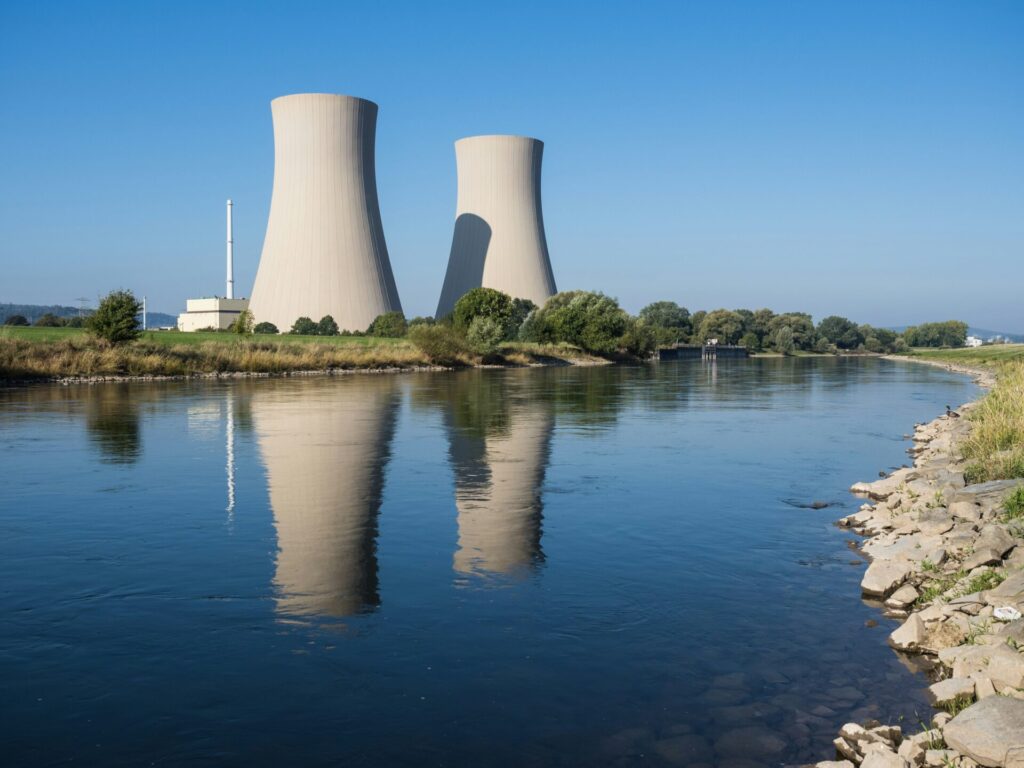
The Nuclear RAB Levy came into effect on 1 December as a new charge applied to all electricity bills across the UK. It is designed to help fund the construction of new nuclear power infrastructure, including large projects such as Sizewell C. Instead of waiting until a plant begins generating electricity before recovering the investment, the Regulated Asset Base (RAB) model allows developers to receive funding during construction.
This approach lowers financing risk for investors and spreads the cost of major infrastructure over time. The government has introduced this levy to secure long-term energy stability, support the UK’s low-carbon transition and reduce reliance on volatile global energy markets.
Nuclear energy is positioned as a key component of the country’s future energy mix, and the levy gives developers a more predictable funding route while reducing the need for higher-cost financing later in the project lifecycle.
Who Pays The RAB Levy?
The RAB levy applies to a wide range of electricity users, including households and the majority of UK organisations. It is added to electricity bills by suppliers, and most contracts—whether fixed or pass-through—allow suppliers to include these new regulated charges. Only Energy Intensive Industries (EIIs) may be exempt if they hold the correct certification.
All other organisations will see the impact on their bills automatically. For many businesses, especially those that have fixed their rates earlier in the year, the appearance of an unexpected additional charge highlights the importance of understanding non-commodity elements of an energy contract. While the RAB levy itself is modest on a per-unit basis, the universal application means every business will feel the effect, regardless of size or sector.
How The RAB Levy Is Calculated And What It Costs
The levy is charged per unit of electricity consumed, with the initial rate set at £3.455 per MWh. This equates to roughly 0.3455 pence per kWh. Because the charge scales with usage, the overall impact varies significantly from one business to another. Small offices or retail units will face relatively small increases, while manufacturers, warehouses and high-demand operations may see measurable rises in annual energy costs.
Although the individual rate per unit appears low, its introduction comes at a time when many organisations are already managing rising operational expenses. When combined with existing non-commodity charges, the levy adds another line item that increases the overall cost of electricity, regardless of what happens in the wholesale market.
Implications For SMEs And Larger Businesses
Reports indicate that an average SME could see around £100 added to annual electricity costs due to the levy. For a small business, this may be absorbed into overheads, but it still represents another increase at a time when many are dealing with higher costs across payroll, materials and supply chains. Larger energy users will experience a more noticeable impact.
The charge grows in proportion to usage, so manufacturers, data centres and logistics operations could see marked increases in spend. Businesses on fixed contracts may still be affected if their agreements allow suppliers to pass through new regulated charges. As a result, it becomes more important for businesses to review contract terms, examine consumption patterns and understand where costs originate.
What This Means For The UK Energy Landscape And Business Planning
Introducing the Nuclear RAB Levy represents a structural shift in how major energy infrastructure is funded. It creates a stable flow of investment into new nuclear projects, supporting long-term energy security and helping the UK meet its net-zero goals. For businesses, however, the levy reinforces a trend seen throughout the energy market: non-commodity charges are becoming a larger share of the total bill.
This means that even during periods of lower wholesale prices, electricity bills may continue to rise. Forward-planning becomes essential. Organisations may need to revisit energy efficiency measures, assess opportunities to reduce usage and ensure future budgets account for ongoing increases in regulated charges. Understanding these cost drivers will be vital for long-term financial resilience.
The Nuclear RAB Levy, effective from 1 December, introduces a new cost that will appear on the electricity bills of most UK businesses. While the individual charge is relatively small, it contributes to a broader rise in non-commodity costs and adds further pressure to budgets already under strain.
It reflects a national strategy to fund low-carbon, secure energy infrastructure, but it places the financial responsibility directly on end users. As businesses navigate this change, clarity around contract terms, accurate forecasting and proactive energy management will become increasingly important.