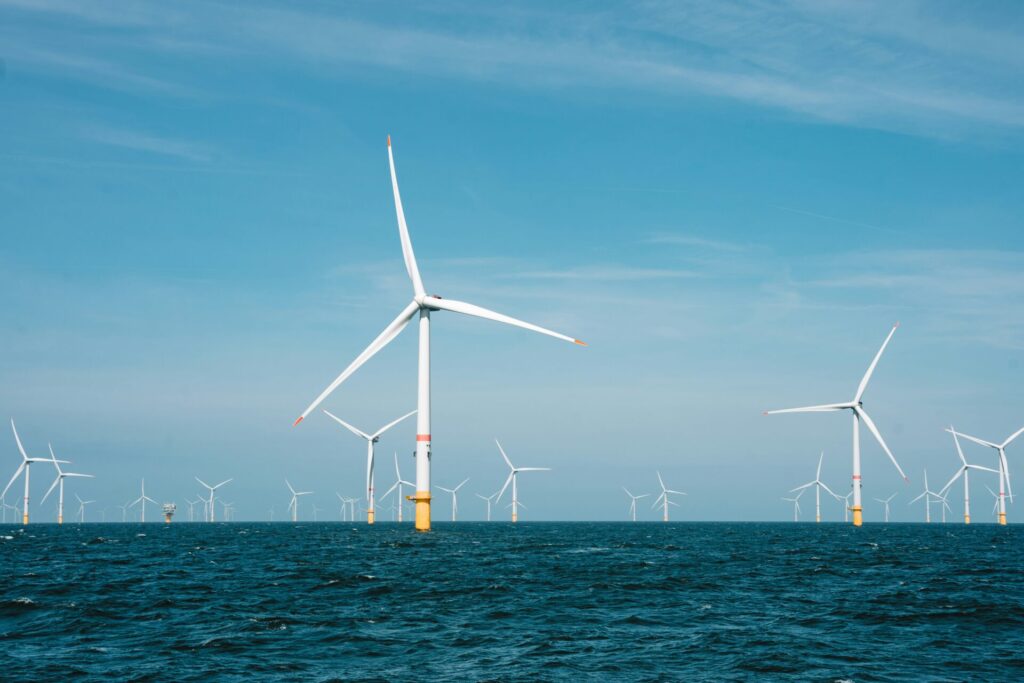
From 1 April, the UK government is scrapping certain tariffs on imported components used in offshore wind turbine manufacturing, a move designed to strengthen the domestic renewable energy supply chain and help British manufacturers compete on a global stage.
The proposal comes at a time when the UK is accelerating its transition to cleaner energy sources and looking for ways to expand domestic production capacity. By removing trade barriers that increase manufacturing costs, policymakers hope to encourage investment in local turbine manufacturing and support the growth of the UK’s renewable energy sector.
Strengthening the UK’s Renewable Supply Chain
Wind power is expected to play a central role in the UK’s journey toward net zero. However, much of the equipment used in turbine manufacturing relies on components sourced internationally. Tariffs on these imports can increase production costs and reduce the competitiveness of UK-based manufacturers.
Scrapping these tariffs could make it easier for domestic turbine producers to scale up operations and compete with international manufacturers. By lowering input costs, the government hopes to encourage further investment in UK wind technology and create a more resilient renewable energy supply chain.
A stronger domestic manufacturing base could also reduce reliance on imported energy infrastructure, which has become an increasing concern amid geopolitical tensions and supply chain disruptions.
Driving Economic Growth and Green Jobs
Removing tariffs could deliver wider economic benefits beyond the energy sector. Expanding turbine manufacturing within the UK would likely support job creation across engineering, manufacturing and supply chain industries.
The renewable energy sector has already become a key driver of economic growth, with continued investment expected as the UK expands wind generation capacity. Supporting domestic manufacturing helps ensure that the economic benefits of the energy transition remain within the country.
At the same time, policymakers are under pressure to keep energy costs competitive for businesses. The UK currently faces some of the highest electricity prices among major industrial economies, prompting calls for reforms that support both affordability and long-term energy resilience.
Balancing Industrial Strategy and Net Zero
The proposed tariff changes also reflect a broader shift in UK energy policy. Government initiatives are increasingly focused on strengthening domestic industry while accelerating the transition to low-carbon energy.
Investment in renewable infrastructure, grid expansion and clean technology manufacturing is expected to play a major role in delivering the UK’s net zero targets while ensuring energy security.
Trade policies, including tariffs, can significantly influence how quickly clean energy technologies are deployed. Higher tariffs can increase costs and slow the adoption of renewable technologies, while removing them can support faster deployment and encourage innovation across the sector.
What It Means for the Energy Market
For energy suppliers, manufacturers and investors, the removal of tariffs could create new opportunities within the UK’s renewable energy market.
Lower manufacturing costs may encourage greater domestic production of turbines, potentially strengthening the supply chain and accelerating wind energy deployment. This could contribute to long-term energy stability while supporting the UK’s clean energy ambitions.
However, the effectiveness of the policy will depend on broader market conditions, including infrastructure development, investment incentives and the overall pace of renewable expansion.
As the UK continues to pursue ambitious climate targets, policies that support renewable energy development and domestic manufacturing are likely to remain a key focus. Scrapping tariffs on turbine components could be one step toward building a more competitive and resilient renewable energy industry, helping the UK maintain momentum in the global transition to cleaner energy.
For organisations navigating the evolving energy landscape, understanding these policy changes is essential. From supply chain shifts to market opportunities, developments in renewable energy policy will continue to shape the future of the UK energy market.