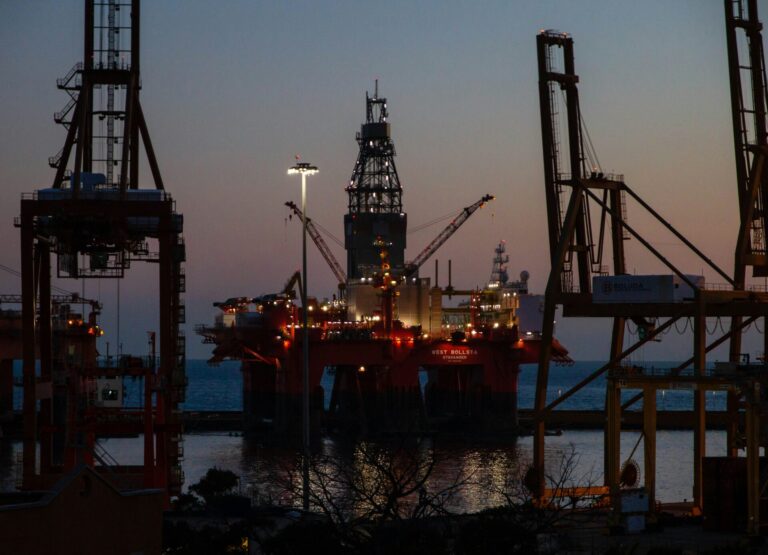
The North Sea continues to be a central focus in the UK and European energy landscape — not just for traditional hydrocarbons, but increasingly as a strategic asset for the energy transition. Recent developments highlight a multi-faceted shift, spanning carbon capture and storage (CCS), government strategy, and a broader clean energy ambition that could unlock significant opportunities for decarbonisation, investment and long-term energy security.
Offshore Wind: Scaling the World’s Largest Basin
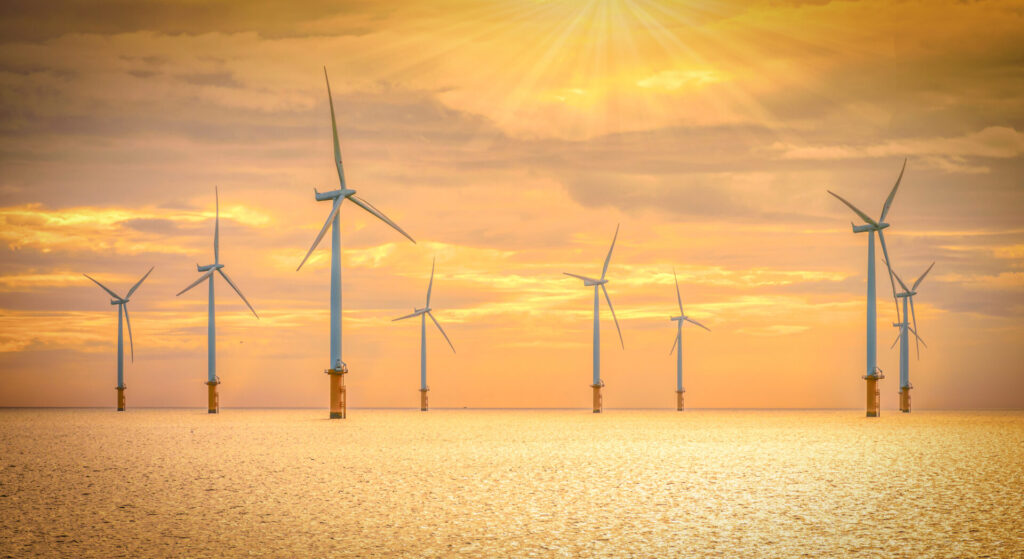
The North Sea already hosts more offshore wind capacity than any other region globally, supported by strong wind conditions, established infrastructure and relatively shallow waters. This has made it the focal point for both UK and European renewable energy ambitions.
Recent policy decisions and project approvals continue to reinforce this trajectory. Notably, the UK’s approval of the Berwick Bank offshore wind farm marks a pivotal moment for the sector. As one of the largest offshore wind projects ever consented, Berwick Bank signals both government confidence and long-term commitment to large-scale renewable deployment in the North Sea, strengthening the UK’s clean power pipeline and supporting future grid resilience.
These developments sit alongside wider international ambitions. The UK and several European partners have committed to rapidly expanding offshore wind capacity across the North Sea, with long-term targets that could see the basin supplying power to tens of millions of homes while reducing reliance on imported energy.
Unlocking Carbon Storage Potential Beneath North Sea Sandstones
Alongside renewable generation, attention is increasingly turning to the subsurface potential of the North Sea. Recent analysis suggests that sandstone formations beneath the Central North Sea could provide significant carbon storage capacity, offering a viable route for capturing and permanently storing industrial CO₂ emissions.
This is particularly important for sectors such as manufacturing, cement and chemicals, where emissions are difficult to eliminate entirely. Carbon capture and storage could also support the production of low-carbon hydrogen, helping to decarbonise parts of the economy that cannot easily electrify.
With regulatory frameworks evolving and storage licensing progressing, CCS is becoming a more integral part of North Sea planning rather than a future concept.
Strategic Government Action: North Sea Future Board Launched
In late January, the UK government convened the inaugural meeting of the North Sea Future Board in Aberdeen — signalling a coordinated strategic push to ensure the region becomes a clean energy leader, while balancing the interests of workers, suppliers and coastal communities dependent on the basin’s economy.
Chaired by the UK Energy Minister, this board brings together industry leaders, trade unions, and policymakers tasked with delivering a prosperous yet sustainable future for a region that has historically powered the UK’s economy through oil and gas production.
This development reflects a broader shift in policy thinking: the North Sea is no longer viewed solely as a hydrocarbon field but as a key platform for energy transition technologies and infrastructure, including offshore renewable generation and carbon management.
Offshore Wind and Renewable Ambition
Across Europe, governments are advancing plans to make the North Sea a hub of offshore wind and grid interconnections. Notably, the Hamburg Declaration — signed by the UK and nine other countries — aims to deliver 100GW of offshore wind capacity by 2040, transforming the North Sea into one of the world’s most significant clean energy reservoirs.
These interconnected offshore wind projects could power millions of homes and attract multi-billion-pound investment, substantially boosting energy security and decarbonisation efforts.
Balancing Legacy Oil and Future Opportunity
While clean energy ambitions accelerate, the North Sea remains a crucial energy supply region with continuing activity in oil and gas. Industry news outlets report ongoing exploration and development activity, alongside emerging debates over investment balance between hydrocarbons and renewables.
This dual nature underscores a key challenge of the transition: how to leverage the North Sea’s infrastructure and workforce to support new energy sectors without undermining energy security or economic stability.
What This Means for UK Energy Strategy
The recent North Sea developments have several important implications:
- Carbon storage capacity could play a pivotal role in meeting climate commitments, especially as industries decarbonise and direct air capture scales up.
- Government coordination via the North Sea Future Board strengthens cross-sector planning and supports the transition for workers and communities.
- Offshore wind expansion and grid integration initiatives could redefine the UK’s energy mix, lowering reliance on imported power and enhancing resilience.
- The coexistence of oil, gas, and renewables highlights the need for nuanced policy frameworks that drive investment without stalling clean technology deployment.
As the energy landscape evolves, the North Sea stands at the heart of the UK’s energy transition — from a historic fossil fuel basin to a dynamic hub for clean energy and carbon management solutions. Policymakers, industry participants, and investors are now navigating a complex but promising path that could deliver both climate and economic benefits in the coming decade.