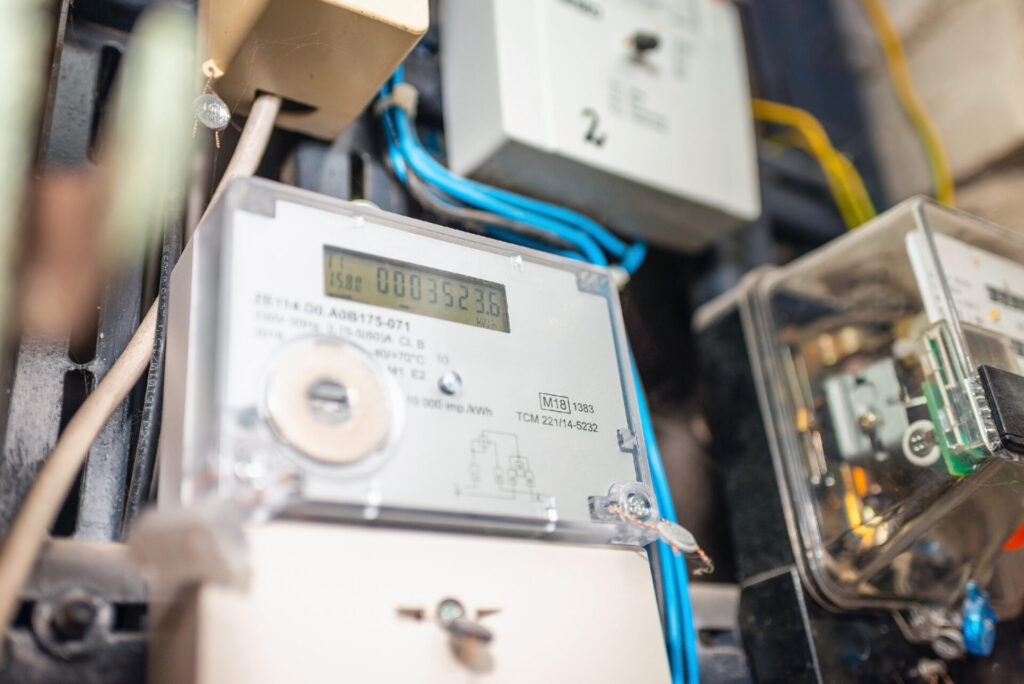
Smart meters are becoming a standard part of how energy is managed across Great Britain, and the rules around them are tightening. The overall direction from the government is that smart meters will be expected more often, especially as suppliers move towards contracts and processes that rely on smart meter data.
Smart-Contingent Contracts From January 2027
The Department for Energy Security and Net Zero (DESNZ) has signalled that “smart-contingent contracts” are likely to become mandatory from January 2027 as part of the non-domestic smart meter policy framework. The final details are still subject to the outcome of DESNZ’s consultation (which closed 16 January 2026).
The idea behind smart-contingent contracts is that agreeing certain business energy deals will increasingly depend on having a smart meter installed (or being willing to have one installed). If a customer refuses a smart meter when it’s required for a deal, they may not be offered that contract and could end up on deemed/out-of-contract rates, which are typically much more expensive.
What Applies to Everyone, and What Doesn’t?
It’s easy to mix these up, so here’s the key point. The push towards smart meters and smart-contingent contracting is a broader market change (particularly in business energy), but the new compensation-backed service standards from Ofgem do not apply to everyone.
New Ofgem Compensation Standards From 23 February 2026
Ofgem is introducing new Guaranteed Standards of Performance (GSOPs) for smart meters from 23 February 2026, but these GSOP protections apply only to domestic and microbusiness customers. If a supplier fails to meet one of the standards, eligible customers should receive £40 automatically, and if the supplier doesn’t pay within 10 working days, an additional £40 is due.
These GSOP protections and its compensation only apply to you if you are either a domestic or microbusiness customer.
GSOP 1: How Quickly You Should be Offered an Installation
This standard covers first-time smart meter installations. Once a customer actively requests an appointment, suppliers must offer one within 30 working days for domestic customers and 60 working days for microbusiness customers. If the supplier rearranges the appointment, the same timeframes apply again.
There are exceptions where installation genuinely can’t be done (for example, if it’s physically impossible or the meter can’t operate in smart mode), but suppliers are expected to keep these cases under review.
GSOP 2: When an Installation Fails
If a smart meter appointment fails due to something within the supplier’s control, eligible customers can receive compensation. This covers installation appointments more widely (not just first-time installs) and still applies even if the work is carried out by a supplier-appointed third party. The expectation is that suppliers ensure the engineer turning up has the right skills and equipment to complete the job.
GSOP 3: When You Report a Smart Meter Problem
If a customer reports a smart meter issue, suppliers must complete an initial assessment, take appropriate action, and offer to update the customer within five working days. For microbusiness customers, in-home displays are treated differently because suppliers aren’t required to provide them, so the focus is on ensuring the business can access the energy usage data it needs.
GSOP 4: Smart Meters Not Operating In Smart Mode
Ofgem has not switched on the fourth GSOP yet. Earlier proposals included compensation where a smart meter isn’t operating in smart mode for an extended period, but this element is still being developed and isn’t part of the standards starting in February 2026.
What Happens Next?
Ofgem will start monitoring compliance with the initial standards during 2026, and the framework is expected to evolve as the rollout continues and the remaining standard is finalised.
The Takeaway For Customers
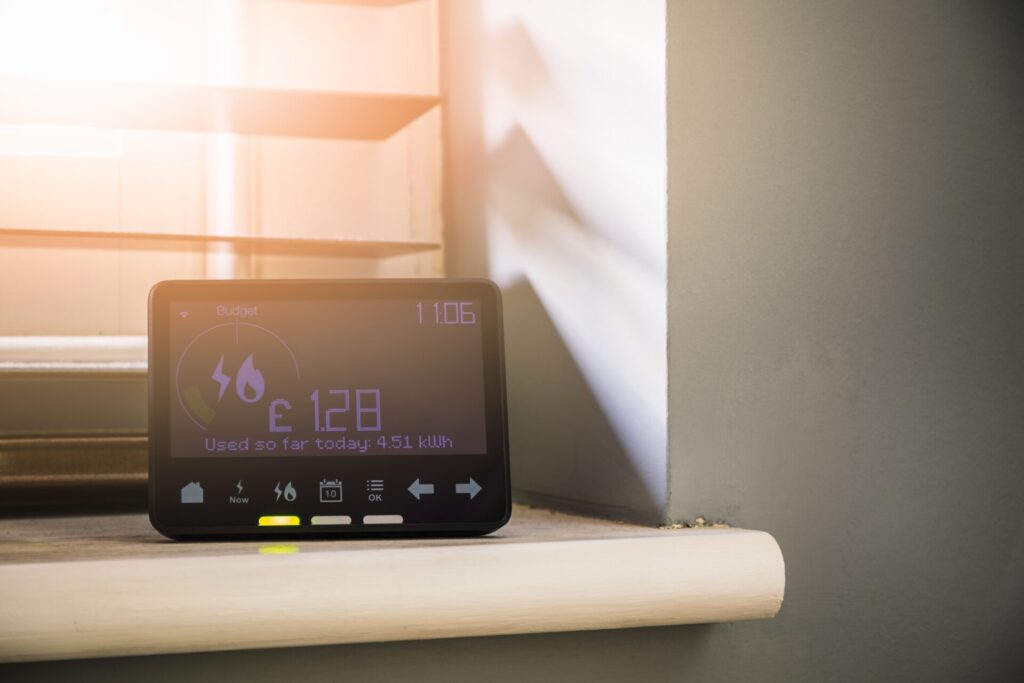
There’s a clear and ongoing move towards smart metering across the energy market. Suppliers are increasingly designing contracts, pricing and processes around smart meter data in the business market as smart-contingent contracts develop. Over time, this is likely to make smart meters less of an optional extra and more of a standard requirement when agreeing new energy deals.
At the same time, regulators are putting stronger expectations on suppliers to improve how smart meters are installed and supported. From February 2026, domestic customers and microbusinesses will benefit from compensation-backed service standards if suppliers delay installations, fail to complete appointments, or don’t respond properly when problems are reported.
Taken together, these changes show the direction the market is heading. Smart meters are becoming the norm, and while that brings new expectations for customers, it also comes with clearer rules and protections for those most likely to be affected during the rollout.
If you’d like support or guidance on these changes, or simply want to be prepared, our team can help you plan next steps and, where needed, facilitate a smart meter installation for your organisation. Get in touch with one of our experts today, we’ll be happy to help.