The electric vehicle (EV) market continues to move forward at pace, with new figures showing strong global EV sales growth and increasing demand for charging infrastructure. However, recent developments highlight that the next phase of EV adoption is no longer just about encouraging drivers to make the switch.
Instead, attention is turning towards ensuring that charging networks are available, reliable and strategically deployed to support long-term growth.
Global EV Sales Continue to Rise
Global EV sales reached 1.8 million vehicles in May 2026. This represents a 3% increase compared to the same period last year and a 7% increase compared to April, taking total EV sales for the first five months of the year to 7.5 million vehicles. Europe remains one of the strongest-performing markets, helping to offset slower growth in both China and North America.
The figures reinforce the fact that electric vehicles are becoming an increasingly important part of the global transport market. While growth rates may vary between regions, the overall trend remains positive, with more consumers and fleet operators choosing electric vehicles as technology improves and environmental targets become more ambitious.

The Focus Shifts From Adoption to Infrastructure
As EV numbers continue to increase, attention is increasingly turning towards whether charging infrastructure can keep pace with demand.
A recent industry report has urged local authorities to take a more coordinated approach to EV charging deployment. The warning comes amid concerns that fragmented planning could create uneven access to charging facilities and slow progress towards wider transport decarbonisation goals.
The challenge is particularly significant for drivers who do not have access to off-street parking or home charging facilities. Public charging infrastructure plays a critical role in ensuring that EV ownership remains practical and accessible for all communities.
Industry experts have repeatedly highlighted the need for closer collaboration between local authorities, distribution network operators, charge point providers and central government. Better coordination can help ensure that charging infrastructure is installed in the right locations, aligns with future demand and makes effective use of available funding.
Grid Capacity Remains a Key Consideration
While installing charging points is often the most visible part of EV infrastructure development, the underlying electricity network is equally important.
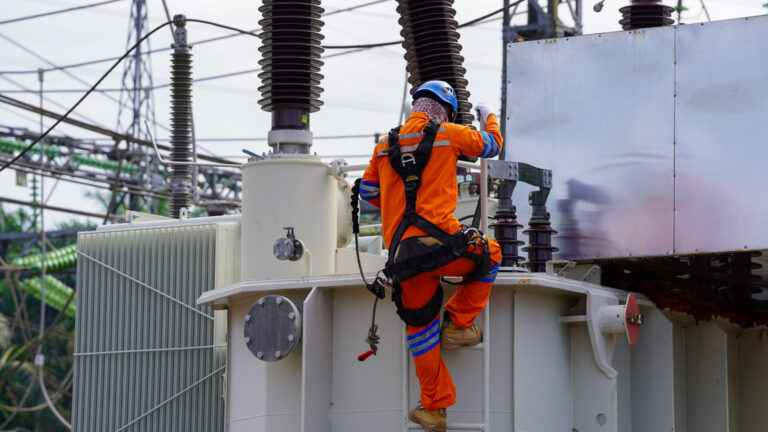
Several reports have identified grid constraints as one of the biggest barriers to accelerating charging deployment. Local authorities continue to face challenges around funding, planning resources and electricity network capacity, particularly in rural areas and regions where existing infrastructure is already under pressure.
As demand for charging grows, network operators and infrastructure developers will need to work together to ensure sufficient capacity is available. This may require investment in local grid upgrades, energy storage solutions and smarter charging technologies that can help manage demand during peak periods.
The issue is becoming increasingly important as charging technology itself continues to evolve. Ultra-rapid charging solutions are reducing charging times significantly, but they also create larger and more concentrated demands on electricity networks. As these technologies become more widespread, careful planning will be essential to maintain network resilience and reliability.
What This Means for Organisations
For organisations operating vehicle fleets, managing property portfolios or developing sustainability strategies, these developments provide a clear message.
The transition to electric transport is continuing, supported by growing vehicle sales and ongoing investment across the sector. However, successful electrification depends on more than simply purchasing electric vehicles. Access to suitable charging infrastructure, understanding local network constraints and planning for future energy demand are becoming increasingly important considerations.
Organisations that are considering fleet electrification or workplace charging projects should take a long-term view. Assessing current and future charging requirements, understanding site energy capacity and engaging with infrastructure providers early can help avoid delays and ensure projects remain scalable as EV adoption continues to grow.
The latest sales figures confirm that the global EV market remains on an upward trajectory. At the same time, growing calls for better coordination of charging infrastructure highlight a new phase in the energy transition.
The conversation is shifting from whether electric vehicles will become mainstream to how quickly supporting infrastructure can be delivered. Success will depend on effective collaboration between local authorities, energy networks, infrastructure providers and organisations investing in electrification.