Mon-Fri 9am - 5pm

BP Consulting

The King’s Speech 2026: What it Means for the UK Energy Sector

Our Services

Energy
Management
The King’s Speech 2026 placed energy security and long-term energy independence at the centre of the government’s legislative plans. Much of the energy-related agenda focused on increasing domestic energy production, accelerating clean energy infrastructure and reducing the UK’s exposure to global energy market shocks.
For organisations across the energy sector, the speech signals continued momentum behind renewable energy investment, grid reform and nuclear development, while also highlighting the government’s intention to reshape how the UK energy market operates in the years ahead.

Energy Independence Positioned as National Security

One of the clearest themes in the speech was the government’s view that energy independence is now closely linked to economic and national security. During the address, the King stated that increased production of “clean British energy” would help protect the UK from international instability and external pressures on energy markets.
This comes amid ongoing concerns around global energy price volatility and geopolitical tensions affecting oil and gas markets. The government referenced recent events in the Middle East as evidence of why the UK should strengthen domestic energy generation and reduce reliance on imported fossil fuels.
The proposed Energy Independence Bill is expected to become one of the flagship pieces of legislation for the sector over the next parliamentary session.
Buckingham Palace representing the king's speech

Focus on Homegrown Renewable Energy

The government confirmed plans to scale up homegrown renewable energy generation as part of its wider clean power ambitions. The speech reinforced Labour’s existing target of moving towards a largely clean electricity system by 2030, supported by greater investment in wind, solar, nuclear and energy infrastructure.
The government also repeated its commitment to removing barriers within the planning system and electricity grid that have slowed down renewable projects in recent years. For developers and investors, this could lead to faster project approvals and greater certainty around infrastructure delivery. However, this will depend on how quickly reforms are introduced and implemented.
The speech also continued the government’s support for Great British Energy, the publicly owned energy investment company established in 2025. The organisation is expected to play a key role in attracting investment into renewable energy and storage projects alongside private sector partners.

Nuclear Energy Back on the Agenda

Alongside renewables, nuclear energy featured heavily within the government’s plans for long-term energy security. The Energy Independence Bill is expected to include measures designed to simplify and speed up the development of new nuclear power projects.
This reflects a broader strategy to diversify the UK’s energy mix and provide stable baseload electricity generation alongside intermittent renewable sources such as wind and solar. The government has increasingly positioned nuclear as an important part of achieving both net zero and energy resilience, particularly as demand is expected to rise over the coming decades.

Potential Market and Regulatory Changes

The speech also pointed towards wider reform within the energy market itself. Parliamentary briefings released alongside the King’s Speech suggest the government is considering changes to the role and remit of Ofgem, including possible oversight of third-party intermediaries such as energy brokers.
There were also reports of changes to electricity market structures and levies, including proposals affecting electricity generators and longer-term pricing arrangements. While details remain limited at this stage, the direction of travel suggests a more interventionist approach aimed at stabilising prices, encouraging investment and supporting the transition to low-carbon energy.
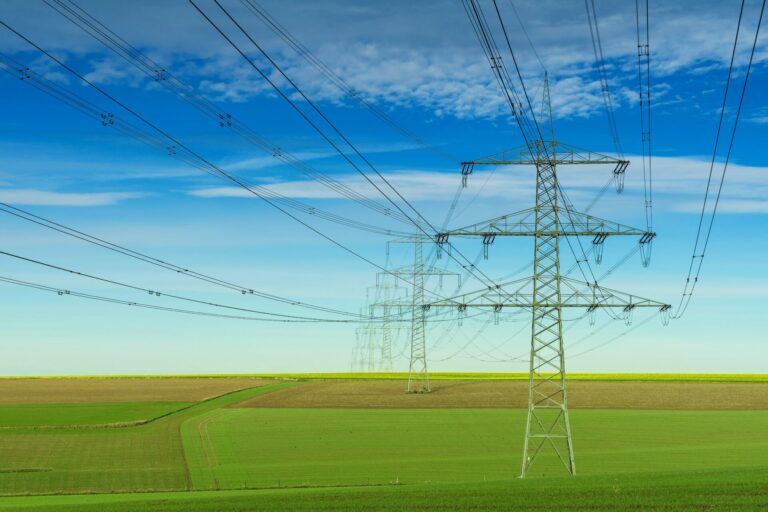
image of white transmission lines and power grids against blue sky

What Organisations Should Watch Next

Although the King’s Speech outlines legislative intentions rather than confirmed policy, it provides a strong indication of the government’s priorities for the next year. For organisations operating within energy-intensive sectors, infrastructure, property and manufacturing, several areas will be important to monitor closely:
  • Grid and Infrastructure Reform

    Faster grid connections and planning reforms could improve the viability of renewable projects and on-site generation schemes.

  • Energy Market Regulation

    Potential changes to Ofgem and broker regulation may affect procurement processes and compliance requirements for organisations.

  • Investment Opportunities

    Renewable generation, storage, nuclear supply chains and energy infrastructure are all likely to remain key growth areas under the government’s strategy.

  • Long-Term Energy Costs

    The government continues to argue that increasing domestic clean energy generation will help reduce exposure to international price shocks over time. However, there is still debate across the industry around how quickly these benefits could be felt by consumers and businesses.  

Overall, the King’s Speech reinforced the government’s commitment to accelerating the UK’s clean energy transition while framing energy policy increasingly through the lens of national resilience and economic stability.
Although many proposals still require further consultation and legislation, the direction is clear: the government intends to expand domestic energy production, encourage infrastructure investment and reduce reliance on volatile international energy markets.

For the energy sector and organisations managing long-term energy strategy, the coming months are likely to bring further policy announcements, consultations and regulatory developments that could shape investment and operational decisions well beyond 2030.

Facebook
LinkedIn
Discover More