The UK energy market continues to face a period of uncertainty, with households and businesses still dealing with high energy bills due to global instability, high wholesale prices and supply chain concerns. Recent developments linked to geopolitical tensions, alongside continued pressure on electricity costs across the UK, are once again raising questions around energy security, affordability and market resilience.
New research has highlighted the lasting financial effect the energy crisis has had on households since late 2021, while separate reports show business electricity bills continuing to rise sharply in several regions. At the same time, the potential closure of key global shipping routes has prompted the UK government to strengthen contingency planning for possible supply shortages and further price volatility.
Households Still Feeling the Impact of the Energy Crisis
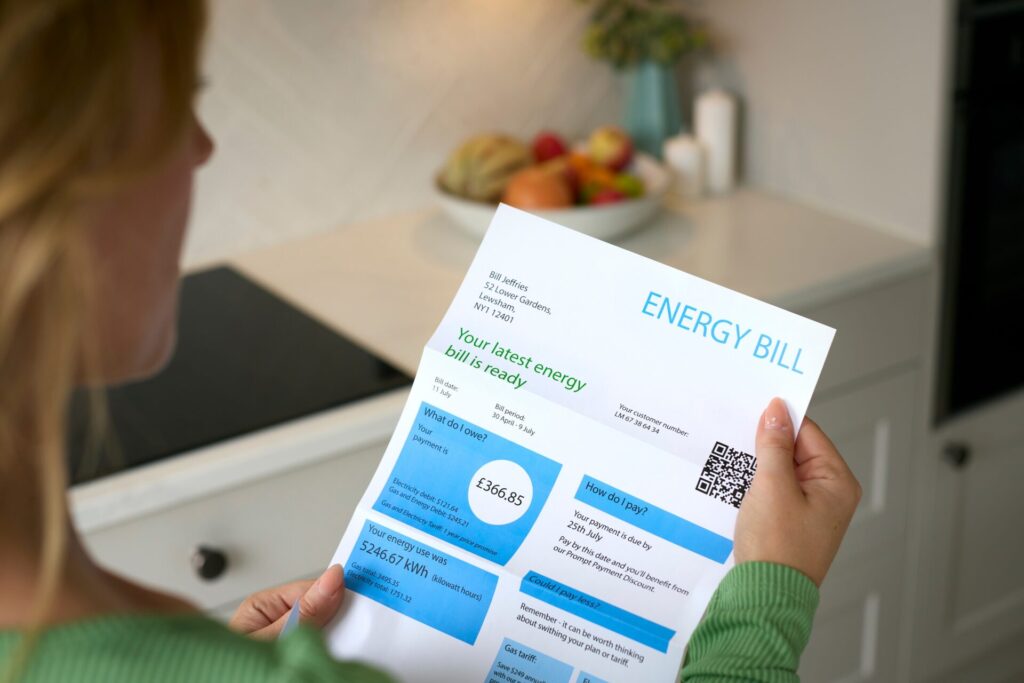
Analysis published by The Independent found that the average UK household has paid around £3,400 more in energy bills since the beginning of the gas price surge in late 2021, even after government support schemes were introduced.
The original rise in wholesale gas prices was linked to global market disruption following the Covid-19 pandemic, before escalating significantly after Russia’s invasion of Ukraine in 2022. Since then, energy prices have remained far above historic norms, despite periods of temporary relief.
Although Ofgem’s price cap fell earlier this year, bringing the average annual household bill down slightly, prices are still considerably higher than pre-crisis levels. Reports suggest many households continue to carry debt built up during previous spikes in costs, while fuel poverty remains a major concern for lower-income families.
The latest concerns stem from renewed geopolitical instability involving Iran and the Strait of Hormuz, one of the world’s most important oil and gas shipping routes.
Strait of Hormuz Tensions Raise Fresh Concerns
The UK government is reportedly increasing its contingency planning following disruption linked to the Strait of Hormuz closure. Ministers are said to be monitoring potential risks to fuel supplies, food production and industrial operations if global energy markets remain unstable for an extended period.
The Strait of Hormuz handles a significant proportion of the world’s oil and liquefied natural gas shipments. Any disruption to this route can have immediate consequences for global wholesale markets, including higher oil and gas prices. Recent reports suggest oil prices have already surged sharply as traders react to fears of prolonged disruption. Economists have also warned that sustained high energy prices could contribute to further inflation across the UK economy.
While the UK is less directly reliant on Gulf energy imports than some countries, global markets remain interconnected. This means wholesale gas and electricity prices in Britain can still rise significantly due to international supply shocks. Industry experts have noted that the current situation once again highlights the importance of energy resilience, diversification and long-term planning.
Businesses Continue to Face Rising Electricity Costs
Alongside household pressures, UK businesses are also experiencing another period of rising energy costs. Average business electricity bills have risen by 9.3% quarter-on-quarter, with some regions seeing significantly larger increases.
The South West of England reportedly experienced the steepest rise, while areas including South Wales and the East Midlands also saw substantial increases. Higher network costs, ongoing wholesale market volatility and regional pricing differences are all contributing factors. Businesses in energy-intensive sectors remain particularly exposed, with many continuing to manage costs far above pre-2021 levels.
For many businesses, energy remains one of the most unpredictable operational expenses. This has led to increased interest in procurement strategies, contract reviews, energy efficiency projects and onsite generation technologies designed to reduce exposure to market volatility.
Wider Economic Effects Could Continue
The current situation is not only affecting energy bills directly. Rising wholesale prices are also having knock-on effects across supply chains, manufacturing, transport and food production. Recent reporting suggests retailers and food producers are increasingly concerned that higher fuel and electricity costs will feed through into consumer prices later this year.
The Bank of England has also warned that persistent energy-driven inflation may influence future interest rate decisions if price pressures continue. At the same time, debate continues within the energy sector around the balance between investment in infrastructure, affordability and long-term decarbonisation goals. While some industry leaders argue grid upgrades are essential for future resilience, others warn that infrastructure costs are contributing to rising bills in the short term.
Although the UK energy market has moved away from the extreme volatility seen during the height of the crisis, recent developments show how quickly global events can still affect prices and supply confidence.
For households, affordability remains a major concern despite some recent reductions in the price cap. For businesses, ongoing electricity cost increases continue to place pressure on budgets and long-term planning.
The coming months are likely to remain heavily influenced by international developments, wholesale market conditions and government policy responses. In the meantime, many organisations will continue focusing on improving efficiency, reviewing procurement strategies and strengthening resilience against further market shocks.