Recent analysis shows that renewable energy has now overtaken coal as the world’s largest source of electricity, marking the first time in over a century that fossil fuels are no longer dominant in power generation.
This shift is being driven primarily by rapid growth in solar and wind, with clean power now meeting all of the increase in global electricity demand. At the same time, fossil fuel generation has begun to decline slightly, suggesting a potential long-term reversal rather than a temporary fluctuation.
Solar and Wind Lead the Way
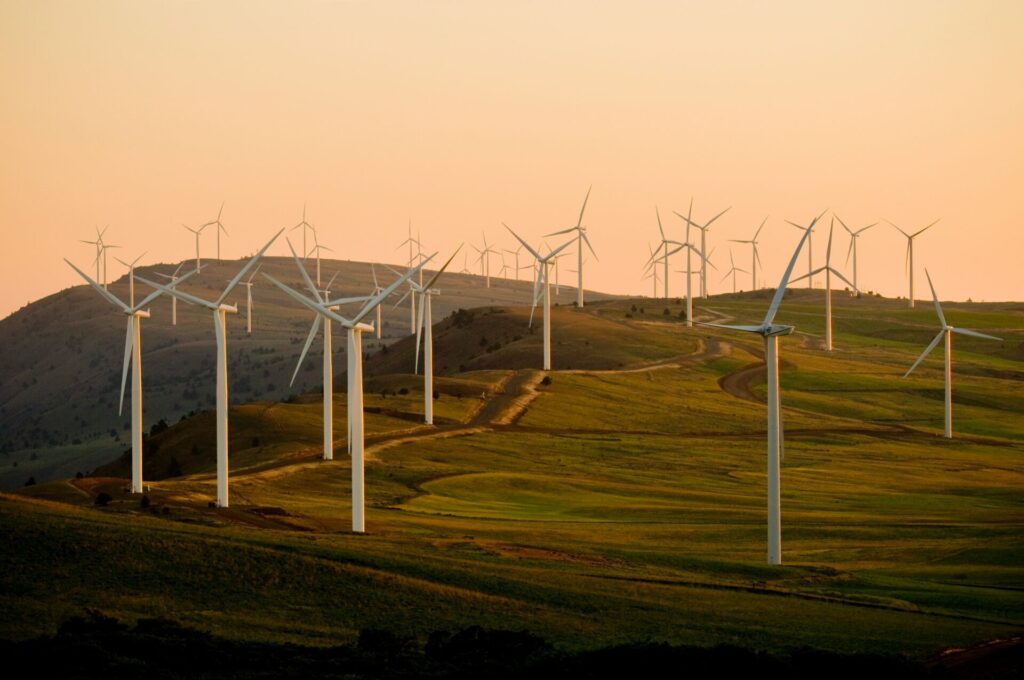
Solar power is playing a particularly important role in this transition. Output rose sharply in 2025, accounting for the majority of new electricity demand worldwide, while wind contributed the remaining share.
This growth is significant because it shows that renewables are no longer simply supplementing fossil fuels – they are actively replacing them. Coal generation has already begun to fall, and although gas has seen a small increase, the overall direction of travel is clear.
The result is what many analysts are calling the beginning of a “clean growth” era, where energy demand can increase without a corresponding rise in emissions.
The UK’s Position in the Transition
The UK is already seeing the impact of this global shift. In 2024, low-carbon sources generated a record share of electricity, with renewables overtaking fossil fuels for the first full year.
Wind, solar and hydropower together accounted for around 37% of UK electricity generation, compared to 35% from fossil fuels. This is a major change from just a few years earlier, when fossil fuels still dominated the energy mix.
Looking more broadly, the UK’s electricity system is becoming significantly cleaner. Carbon intensity has fallen sharply over the past decade, with emissions per unit of electricity dropping by more than two-thirds since 2014.
There are also clear operational signs of progress. In 2025, Great Britain has already experienced record periods where 100% of electricity demand has been met by clean energy sources alone, highlighting how quickly the system is evolving.
Major Solar Developments Reinforce the Trend
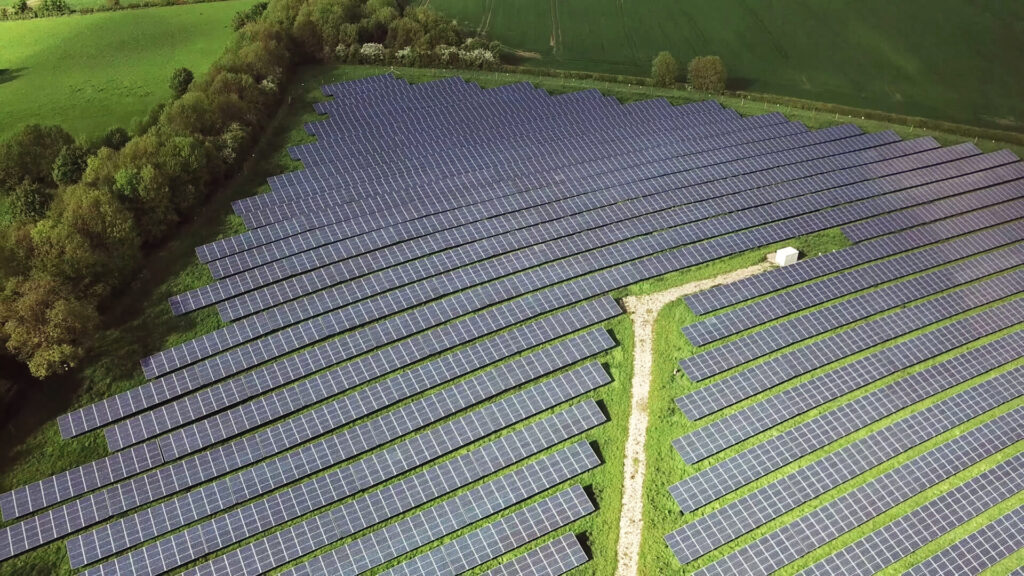
Alongside these wider trends, large-scale infrastructure projects are accelerating the UK’s move towards renewable energy. One of the most notable recent developments is the approval of the Springwell Solar Farm in Lincolnshire.
With a planned capacity of around 800MW, it will become the largest solar project in the UK once completed. The site is expected to generate enough electricity to power more than 180,000 homes each year, underlining the scale at which solar is now being deployed.
Solar is now considered one of the most cost-effective forms of electricity generation. This makes it an increasingly attractive option not only for meeting climate targets, but also for improving energy security and reducing exposure to volatile global fossil fuel markets.
What This Means for Organisations
For organisations, the direction of travel is becoming clearer. Energy systems are shifting towards decentralised, low-carbon generation, with renewables playing a central role.
This has several implications. Firstly, energy pricing is likely to become less tied to fossil fuel markets over time, particularly as more domestic renewable capacity comes online. Secondly, electrification will continue to accelerate, increasing demand for reliable and flexible energy solutions.
There is also a growing focus on infrastructure, including grid upgrades and storage, to support higher levels of renewable generation. As these developments progress, organisations will need to adapt their energy strategies to remain efficient and resilient.
What makes this moment particularly important is that it reflects a structural change rather than a temporary shift. For the first time, clean energy growth is not only keeping pace with demand but exceeding it, actively reducing the role of fossil fuels in the power sector.
In the UK, this trend is being reinforced by policy decisions, infrastructure investment and large-scale renewable projects. Together, these factors point towards a future where low-carbon energy becomes the default rather than the alternative.