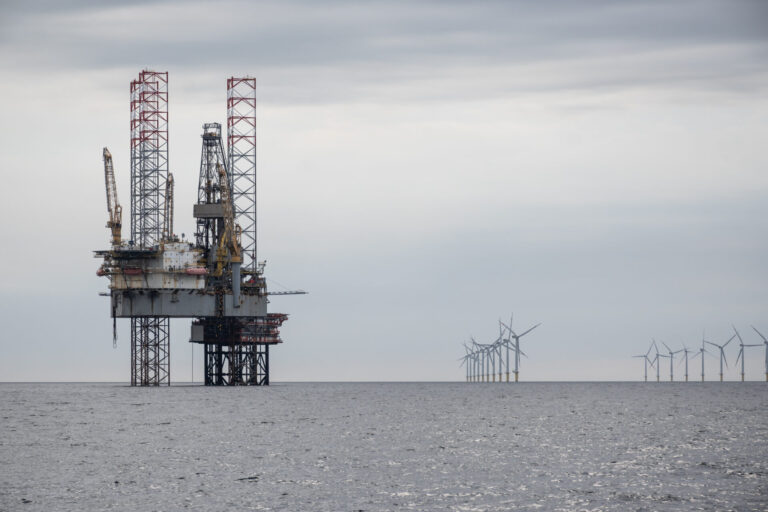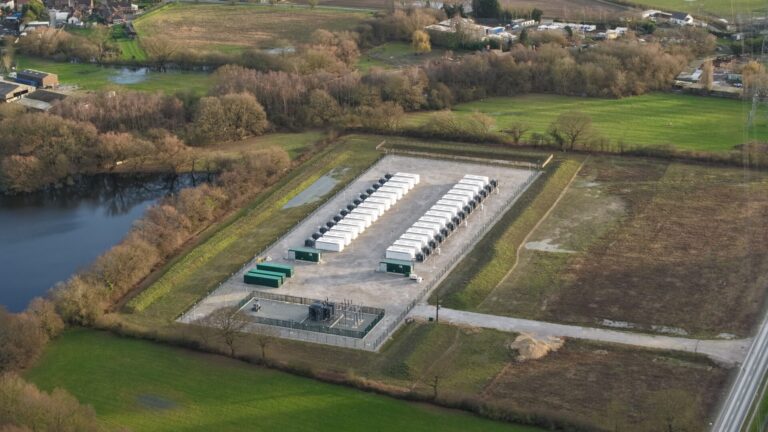
The UK is heading into a summer defined by strong renewable generation, with forecasts suggesting that green energy could exceed demand at times. According to the National Energy System Operator (NESO), the grid is expected to have sufficient supply throughout the season, with periods where wind and solar output create a surplus of electricity.
This marks a significant shift in how the energy system operates. Rather than worrying about shortages, the focus is now turning to how best to use an abundance of low-carbon power. On particularly sunny and windy days, generation could even surpass what the grid can absorb, highlighting both the success of renewables and the growing need for flexibility.
Managing Surplus Through Flexibility
With more renewable energy available than ever before, managing demand becomes just as important as generating power. NESO is expected to encourage households and organisations to increase electricity use during peak renewable periods to help balance the system.
This could include simple actions such as running appliances or charging electric vehicles when renewable output is high. Energy suppliers may also introduce incentives, including reduced or even free electricity during these periods, to encourage participation.
For organisations with energy-intensive operations, this presents a clear opportunity. Shifting usage to align with renewable peaks can reduce costs and lower emissions while supporting grid stability. Flexible demand is increasingly becoming a key part of the UK’s energy strategy, helping to avoid unnecessary reduction of renewable generation and reducing reliance on gas-fired power.
A Milestone for Zero-Carbon Electricity
The expected surplus of green energy also raises the possibility of achieving periods of fully zero-carbon electricity this summer. This would represent a major milestone in the UK’s transition to a cleaner energy system and support wider targets to significantly reduce reliance on fossil fuels by 2030.
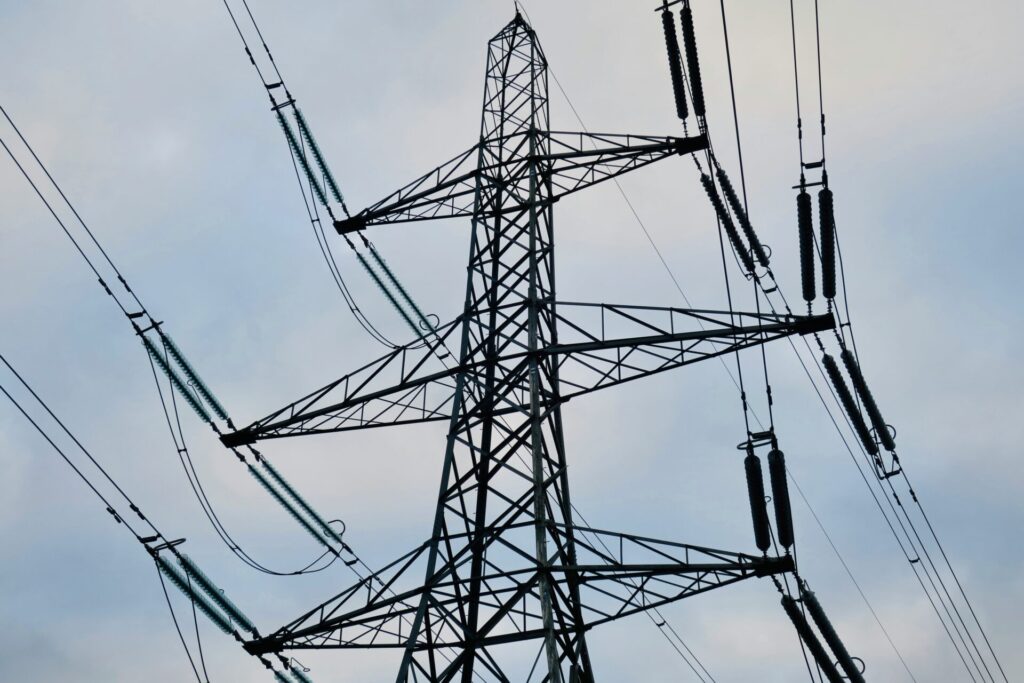
However, this progress brings new challenges. Grid infrastructure must keep pace with the rapid growth of renewable generation, as bottlenecks can limit the ability to distribute electricity efficiently. Without upgrades, excess power may need to be curtailed, which can increase system costs.
As a result, investment in grid capacity, storage and smart technologies will be essential to fully unlock the benefits of rising renewable output in the coming years.
Looking Further Ahead: Fusion Gains Momentum
While green energy is transforming the short-term outlook, longer-term plans are also taking shape to further strengthen the UK’s low-carbon energy mix. One of the most significant developments is the renewed focus on nuclear fusion.
The UK government has outlined a multi-year strategy to accelerate the development of fusion energy, backed by around £2.5 billion in funding over five years. Fusion has the potential to provide a near-limitless source of clean energy, with ongoing projects such as the STEP programme aiming to demonstrate a prototype power plant.
The plan focuses on advancing research, building supply chains and attracting investment, with the goal of making fusion commercially viable in the future.
Building a Balanced Energy Future
These developments highlight the rapid evolution of the UK’s energy landscape. In the near term, the challenge lies in managing an increasingly renewable-heavy grid, where surplus generation must be used efficiently. In the longer term, technologies such as fusion could further transform how energy is produced and consumed.
For organisations, this transition presents both opportunities and responsibilities. Greater flexibility in energy use, investment in smart technologies and engagement with new tariff structures will all play a role in adapting to a system driven by clean power.
As green energy generation continues to rise, the UK is moving closer to a future where low-carbon electricity is not just a goal, but a regular feature of the energy system.