Mon-Fri 9am - 5pm

BP Consulting

Global Electricity Demand Set To Grow More Than 3% Per Year

Our Services

Energy
Management
Global electricity demand is expected to continue rising strongly over the coming years, reinforcing the growing importance of power within the wider energy system. Research from the IEA show that electricity demand is increasing at a faster pace than overall energy demand. This reflects deep, long-term changes in how economies function, how technology is used, and how energy systems are evolving to support decarbonisation.
Electricity is no longer simply one option within the energy mix. It is becoming the foundation of modern economies, supporting everything from transport and heating to digital services and industrial production. As more sectors move away from direct fossil fuel use and towards electrification, pressure on electricity systems is expected to intensify throughout the rest of the decade.

The Scale of Projected Demand Growth
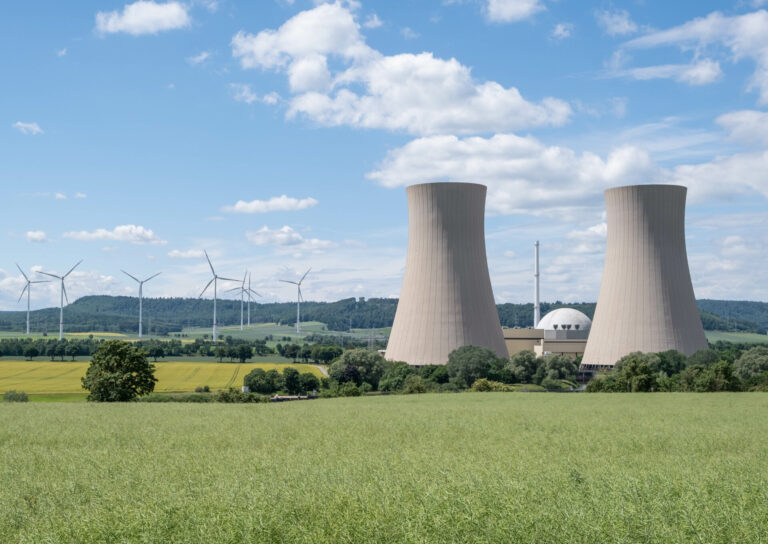
The IEA’s latest outlook highlights just how significant this growth is expected to be. By 2030, the increase in global electricity consumption is forecast to be equivalent to adding more than two European Union-sized electricity systems to today’s global grid. This comparison underlines the scale of new generation, infrastructure and system upgrades that will be required over a relatively short period of time.
Unlike previous periods of electricity growth, this trend is not driven by a single region or sector. Instead, demand is rising across both emerging and advanced economies, and across a wide range of uses. This broad-based growth makes long-term planning and investment increasingly important.
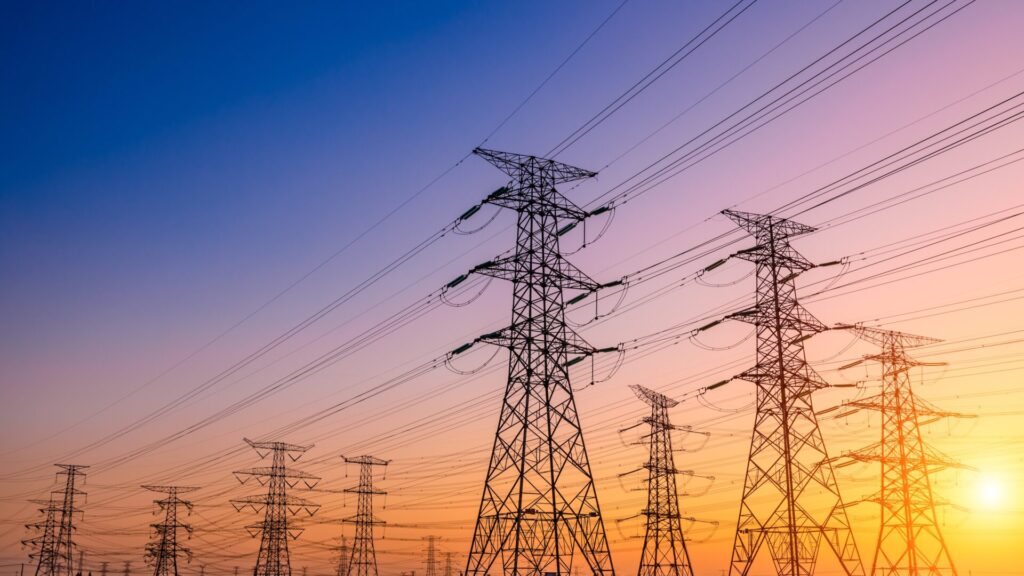
High voltage electricity towers at sunset

Key Drivers Behind Rising Electricity Demand

Several major factors are contributing to the continued rise in electricity demand over the coming years:
  • Economic Growth in Emerging Markets:

    Countries such as China and India continue to account for a large share of global demand growth. As economies expand and populations grow, electricity use rises across industry, transport, services and households. Improved living standards also lead to higher demand for appliances, cooling and digital services.

  • Growth in Digital Infrastructure:

    Data centres are becoming a significant source of electricity demand, particularly in advanced economies. The expansion of cloud computing, artificial intelligence and digital services requires large volumes of reliable power, often operating around the clock.

  • Electrification of Transport and Heating:

    The increasing uptake of electric vehicles and electric heating technologies is adding to electricity demand. While these changes support emissions reduction goals, they also shift energy use onto electricity networks that must be able to cope with higher and more variable loads.

  • Rising Cooling Demand:

    Hotter temperatures and changing lifestyles are driving increased use of air conditioning. This trend is especially strong in warmer regions but is becoming more common globally, placing additional strain on electricity systems during peak periods.

Near-Term Outlook and Long-Term Trends

In the near term, global electricity demand is expected to grow by more than three per cent per year through the mid-2020s. This is more than double the growth rate of overall energy demand and marks one of the fastest sustained periods of electricity growth in recent decades.
Crucially, this is not seen as a temporary increase. Instead, it reflects structural changes in how energy is produced and consumed. As electricity replaces fossil fuels in more parts of the economy, demand growth is expected to remain strong through to 2030 and beyond.

How Supply is Responding

On the supply side, renewables are expected to meet a large share of the additional electricity demand. Wind and solar generation continue to expand rapidly, supported by falling costs and policy commitments in many countries. Nuclear power and natural gas are also expected to play an important role in supporting system reliability and balancing variable renewable output.
The IEA has indicated that renewables are on track to become the world’s largest source of electricity within the next few years. While this represents a major shift in the global energy mix, it also introduces new challenges around system flexibility and network management.

The Growing Importance of Electricity Networks

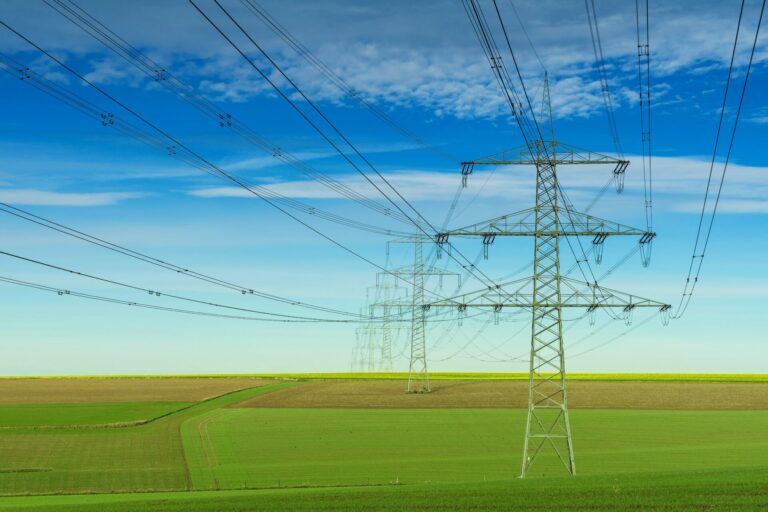
One of the most pressing issues highlighted in recent analysis is the condition of electricity grids. Many networks were designed for lower levels of demand and more centralised generation. As demand rises and supply becomes more distributed, existing infrastructure is increasingly under strain.
The IEA has warned that investment in electricity networks must increase significantly by 2030 to keep pace with demand growth. This includes upgrading transmission and distribution systems, improving system flexibility, and making greater use of digital technologies to manage flows more effectively. Without this investment, grid constraints could slow new connections, increase costs and undermine system resilience.
The continued rise in electricity demand signals a fundamental shift in the energy landscape. Electricity is becoming the backbone of economic activity and decarbonisation efforts, placing new expectations on energy systems and those responsible for planning and delivery.
For organisations across the energy sector, understanding these trends is essential. Planning for higher demand, greater complexity and increased infrastructure needs will be critical to maintaining secure, reliable and affordable electricity systems in the years ahead. As the “age of electricity” gathers pace, strategic investment and long-term thinking will be key to supporting sustainable growth and energy transition goals.
Facebook
LinkedIn
Discover More