The UK’s energy system is becoming more interconnected, both physically and economically, with neighbouring countries. As pressure continues to build on energy affordability and security, interconnectors are increasingly positioned as a key part of how Britain manages supply, demand, and cost volatility.
Recent analysis from across the energy sector suggests that newer, more advanced interconnector models could play a growing role in reducing system costs, improving resilience, and supporting long-term energy savings for Britain as a whole.
The Current Interconnector Network
Interconnectors allow electricity to move between national power systems, enabling countries to import or export power depending on availability and demand. For the UK, this has traditionally meant importing electricity during periods of high demand or lower domestic generation, while exporting surplus power at other times.
These cross-border links have become increasingly valuable as energy systems shift towards more variable renewable generation and away from predictable fossil fuel output. Great Britain’s interconnector network has grown substantially over the past decades. Some of the major existing links include:
- North Sea Link between the UK and Norway
- Viking Link connecting the UK and Denmark
- BritNed linking the UK and Netherlands
- IFA and IFA2 between the UK and France
- Nemo Link with Belgium
- East–West Interconnector between the UK and Ireland
The Shift Towards Next-Generation Interconnectors
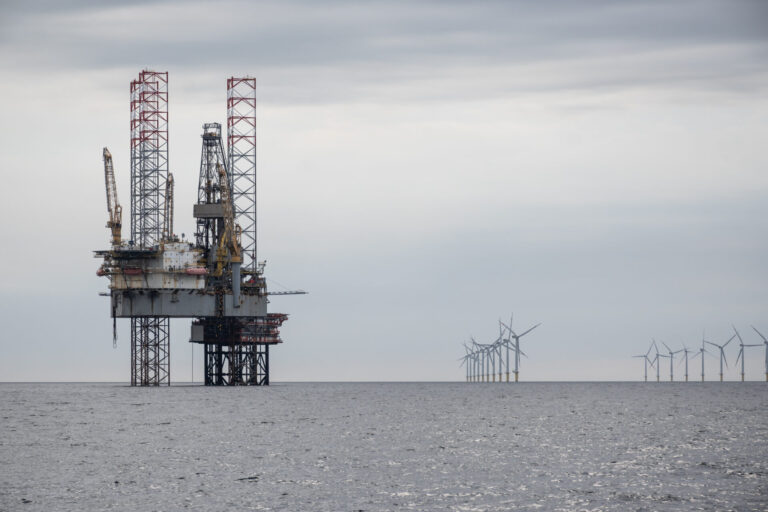
Industry attention is now turning towards what are often described as next-generation or multi-purpose interconnectors. Unlike traditional point-to-point cables, these newer designs are intended to serve more than one function. In addition to linking national grids, they can also connect offshore wind generation directly into multiple markets.
This approach represents a shift in how offshore infrastructure is planned. Rather than building separate export cables for wind farms and separate interconnectors between countries, a single asset can fulfil both roles. This integrated design has the potential to reduce the overall amount of infrastructure required offshore while increasing flexibility in how electricity flows across borders.
Offshore Wind And Cross-Border Coordination
The North Sea sits at the centre of these developments. With multiple countries expanding offshore wind capacity in the same geographic area, coordination is becoming increasingly important. Multi-purpose interconnectors offer a way to manage large volumes of offshore generation while enabling power to flow to where it is most needed at any given time.
By linking offshore wind farms into more than one national grid, electricity generated during periods of high wind can be distributed more widely across Europe, making better use of available generation, particularly during periods when domestic demand alone cannot absorb the output.
Energy Savings At System Level
From a system perspective, interconnectors can contribute to energy savings by reducing reliance on higher-cost generation during peak periods. When electricity can be imported from markets with lower wholesale prices, the overall cost of meeting demand can fall. Over time, this can translate into reduced system costs and more stable pricing outcomes for Britain.
Next-generation interconnectors may amplify these effects by increasing flexibility and reducing inefficiencies associated with standalone infrastructure. By combining interconnection and offshore generation into shared assets, the system can respond more dynamically to changes in weather, demand, and market conditions.
Regulation And Long-Term Planning
The development of interconnectors depends heavily on regulatory frameworks that balance investment certainty with consumer protection. In Great Britain, the cap and floor regime has been central to enabling new interconnector projects by setting minimum and maximum revenue thresholds.
As next-generation designs become more prominent, regulators are now considering how these hybrid assets should be treated within existing frameworks. Questions around network charging, market access, and operational responsibility are increasingly part of industry discussions, particularly as projects move from concept to delivery.
Interconnectors are no longer viewed simply as backup links or trading tools. They are evolving into strategic assets that sit at the intersection of offshore wind development, international energy cooperation, and long-term system planning. With further projects under consideration across the North Sea, their role within the UK energy landscape is set to expand.
As policy, technology, and infrastructure continue to develop, interconnectors will remain a focal point of industry debate. Their ability to support energy savings, manage variability, and strengthen connections with neighbouring systems places them firmly at the centre of the UK’s evolving energy framework.