The second day of COP31 in Antalya, Türkiye, placed energy and transport at the centre of discussions, with world leaders and industry representatives examining how countries can strengthen energy security, expand electrification and reduce greenhouse gas emissions.
Discussions covered renewable energy investment, fossil fuel dependency, climate finance and the infrastructure required to support the global energy transition. Here are the key developments from Day 2.
Greta Thunberg Returns to COP31
Swedish climate activist Greta Thunberg attended COP31 on Tuesday, marking her first appearance at a UN climate summit since COP26 in Glasgow in 2021.
Speaking to reporters in Antalya, Thunberg criticised the effectiveness of previous climate negotiations, describing the annual conferences as “greenwashed circuses” and questioning whether governments were delivering sufficient action on their commitments.
She also raised concerns about the influence of fossil fuel industries on climate negotiations and called for greater accountability from world leaders. Despite her criticism, Thunberg acknowledged the importance of international climate discussions as an opportunity for activists to raise awareness and encourage further action.
Renewed Discussions on Fossil Fuel Dependency
The transition away from fossil fuels remained a significant topic throughout the day. Brazil’s COP30 presidency presented a global roadmap designed to help countries develop practical plans for reducing their reliance on coal, oil and gas.
UN Secretary-General António Guterres encouraged governments to establish national transition plans, including clear timelines, financial requirements and measurable progress. However, the proposed roadmap remains voluntary, with differing national priorities continuing to influence discussions.
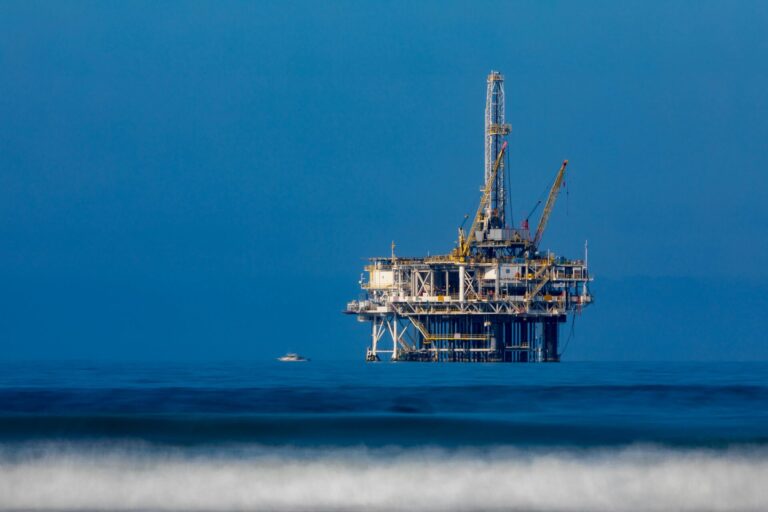
Meanwhile, Türkiye announced the discovery of two new oilfields and plans to expand domestic production, highlighting the ongoing relationship between energy security, economic priorities and international climate commitments.
New Renewable Energy and Infrastructure Initiatives
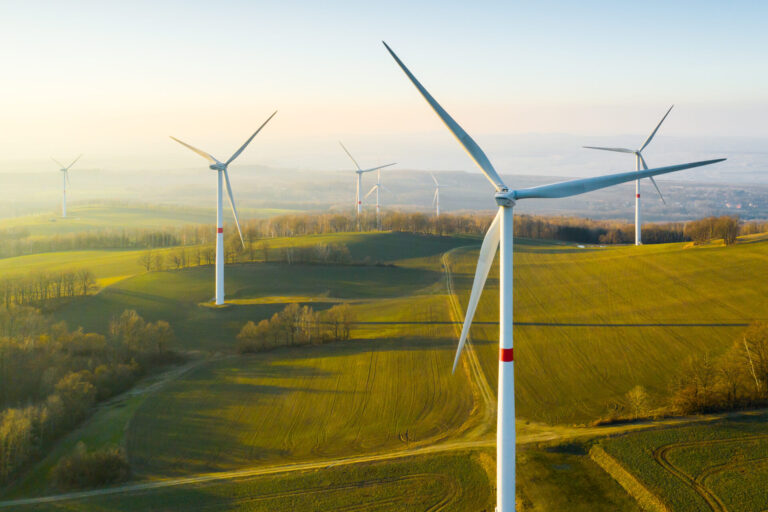
Several initiatives were introduced to support renewable energy deployment and electrification across different sectors. The Global Rooftop Solar Declaration, supported by countries including Australia, Bangladesh, Kenya and Nigeria, aims to double the number of households using rooftop solar power to 300 million by 2030.
A separate maritime electrification initiative seeks to increase electricity’s share of shipping energy consumption to 20% by 2035. Proposals include expanding shore-based electricity connections for vessels in ports and electrifying equipment used in cargo operations.
These initiatives demonstrate the range of technologies being considered to support electrification, although implementation will depend on infrastructure development, investment and national circumstances.
Climate Finance Remains a Major Challenge
Access to finance continued to feature prominently in discussions, particularly for developing countries seeking to modernise energy infrastructure. A new Coal Transition Partnerships initiative aims to help coal-dependent economies access more than $23 billion in existing transition funding by supporting the development of national phase-out plans.
Kazakhstan also announced an investment platform targeting approximately $20 billion to support its energy transition. Elsewhere, Bangladesh highlighted the challenges of expanding renewable energy generation while managing limited land availability and financial constraints.
These discussions reinforced the importance of investment, infrastructure and international cooperation in delivering national climate objectives.
Methane Emissions and Waste Management
Beyond electricity generation, COP31 Day 2 also examined opportunities to reduce methane and other greenhouse gas emissions. The Climate and Clean Air Coalition highlighted initiatives addressing organic waste management, landfill emissions and wastewater treatment.
Preliminary findings presented during the conference suggested wastewater and sanitation systems account for approximately 7–10% of global methane emissions. Discussions explored how improved monitoring, waste management infrastructure and existing treatment technologies could contribute to emissions reductions.
Global Emissions Expected to Remain Stable in 2026
New scientific findings presented during COP31 indicated that global carbon emissions from fossil fuels are expected to remain broadly unchanged in 2026.
Researchers forecast a slight decline of approximately 0.4%, influenced partly by higher fossil fuel prices and continued renewable energy deployment. However, scientists cautioned that temporary changes in energy demand do not necessarily indicate a sustained reduction in emissions.
Attention now turns towards national commitments, climate finance and the implementation of existing agreements. The coming days will provide further insight into whether the initiatives discussed can gain wider international support and translate into practical action.