
Battery storage is quickly becoming one of the most talked-about technologies in the UK energy market. With rising energy costs, increasing renewable generation, and growing pressure on businesses to reduce carbon emissions, many are asking the same question: is it actually worth the investment?
The answer depends on how your organisation uses energy, but for many, the case for battery storage is becoming stronger every year.
What Is Battery Storage?
Battery storage, often referred to as Battery Energy Storage Systems (BESS), allows electricity to be stored and used later instead of being consumed immediately. This is particularly useful when energy is generated at one time but needed at another.
For example, if a business has solar panels, it may generate excess electricity during the day. Without storage, that energy is either exported to the grid or wasted. With a battery, it can be stored and used later, such as during the evening or during peak pricing periods.
At a wider level, battery storage also supports the UK’s energy system by balancing supply and demand. It stores electricity when generation is high and releases it when demand increases, helping to stabilise the grid and reduce reliance on fossil fuels.
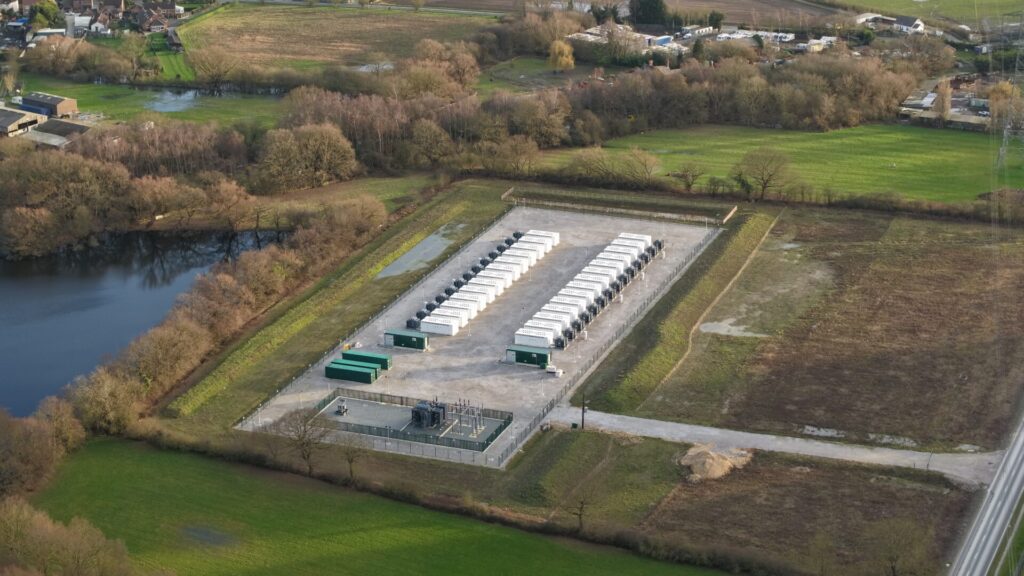
The Growth of Battery Storage in the UK
Battery storage is not a niche technology anymore. It is one of the fastest-growing areas within the UK energy sector.
There is also a significant pipeline of future projects, with over 127GW of battery storage capacity in development. This level of growth highlights a clear trend: battery storage is becoming a core part of the UK’s transition to a more flexible, low-carbon energy system.
The Key Benefits For Businesses
One of the main reasons businesses invest in battery storage is cost management. Electricity prices can vary significantly throughout the day, and batteries allow businesses to store cheaper off-peak energy and use it during more expensive peak periods.
Battery storage also works particularly well alongside renewable generation such as solar. By storing excess energy, organisations can maximise the value of their onsite generation rather than relying on exports at lower rates.
Another major benefit is resilience. Batteries can provide backup power during outages or periods of instability, helping to maintain operations and reduce downtime. From a sustainability perspective, battery storage supports lower carbon emissions by reducing reliance on grid electricity during peak times, which is often generated from higher-carbon sources.
Which Sectors Benefit Most?
Battery storage is not a one-size-fits-all solution, but it is particularly effective for sectors with high or variable energy use. Manufacturing and industrial sites often benefit due to their large energy demand and exposure to peak charges. Retail businesses, especially those with long opening hours, can also see strong returns by shifting energy usage.
Logistics and warehousing operations, which may run across extended hours, are another strong fit. Similarly, agriculture and food production businesses can benefit from pairing battery storage with renewable generation.
Public sector organisations such as schools, hospitals, and local authorities are also increasingly adopting battery storage to reduce costs and support sustainability targets.

Costs and Return on Investment
The upfront cost of battery storage can be significant, which is often the biggest barrier. However, prices have been falling, and the financial case is improving.
Returns typically come from a combination of reduced energy bills, avoided peak charges, and increased use of onsite generation. Some businesses can also generate additional revenue by participating in grid services.
While payback periods vary depending on usage, many systems are now delivering returns within a reasonable timeframe, particularly when combined with solar or smart energy management strategies.
So, Is It Worth It?
Battery storage is not a universal solution, and it won’t be the right investment for every organisation. However, for businesses with high energy usage, exposure to peak pricing, or existing renewable generation, it can offer clear financial and operational benefits.
With the UK energy system continuing to evolve and flexibility becoming increasingly valuable, battery storage is likely to play an even bigger role in the years ahead.
For organisations looking to improve efficiency, manage costs, and support long-term sustainability goals, battery storage is no longer just an emerging technology. It is becoming a practical and, in many cases, worthwhile investment.