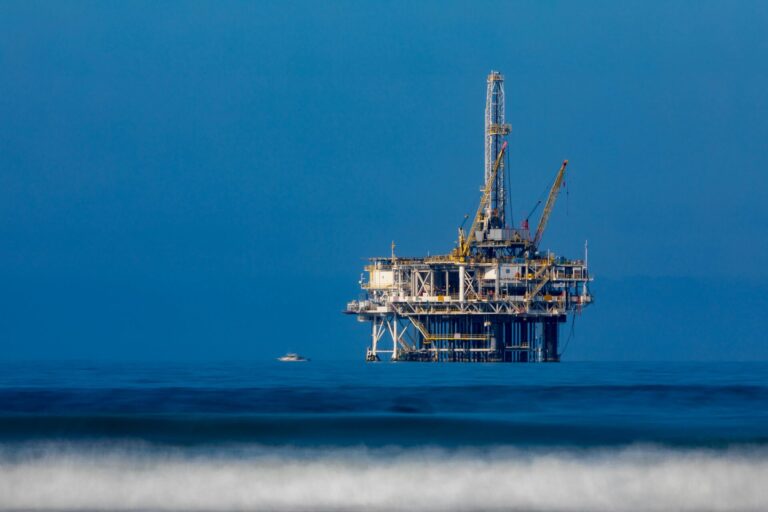
The UK Government has given the green light for gas production to begin at the Jackdaw field in the North Sea, following years of delays, legal challenges and debate over its environmental impact.
Announced on 21 October 2026, the decision means the project could begin supplying gas to UK homes and businesses before the end of the month.
The approval has received mixed reactions across the energy industry, with supporters highlighting the benefits for domestic energy security, employment and the economy, while critics have raised concerns about carbon emissions and the UK’s commitment to achieving net zero by 2050.
What Is the Jackdaw Gas Field?
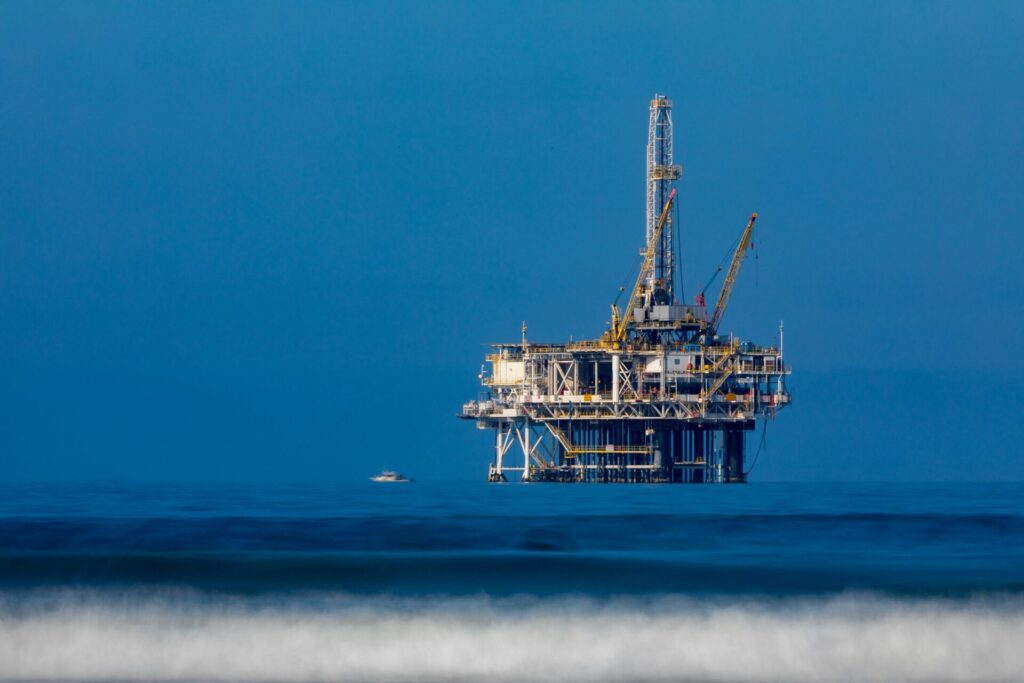
Jackdaw is an offshore natural gas field located in the North Sea, approximately 150 miles northeast of Aberdeen. Originally discovered by Shell in 2005, the field was first proposed for development in 2020 and is now operated by Adura, a joint venture between Shell and Norwegian energy company Equinor.
The project was previously approved for development in 2022, but legal challenges surrounding its environmental assessment resulted in the approval being overturned in January 2025.
This followed a landmark Supreme Court ruling in 2024, known as the Finch case, which established that environmental assessments for oil and gas projects must consider the emissions produced when the extracted fuels are eventually burned, rather than focusing solely on extraction activities.
Following further environmental assessments and a review of the project’s potential impacts, the Government has now approved production. With much of the infrastructure already in place, Jackdaw is expected to begin supplying gas to the UK as early as the end of October 2026.
How Much Gas Will Jackdaw Produce?
According to Government estimates, Jackdaw could increase domestic gas production by approximately 6% at its peak, with the field expected to operate for up to 11 years. Over its lifetime, the project is estimated to produce gas equivalent in energy content to around 40 million barrels of oil.
The additional supply could help reduce the UK’s reliance on imported gas. Currently, the UK relies on a combination of domestic production, pipeline imports from Norway and imported liquefied natural gas (LNG) to meet demand.
Supporters argue that increasing domestic production could strengthen energy security by reducing dependence on international suppliers.
However, increased domestic production does not necessarily mean lower energy bills. UK gas prices remain closely linked to international wholesale markets, meaning Jackdaw is unlikely to have a significant impact on the prices paid by households and businesses.
What Are the Economic Benefits?
Alongside its contribution to domestic gas supplies, Jackdaw is expected to provide economic benefits through employment, investment and tax revenues. According to estimates provided by the developer, the project could:
Boost the Economy
Contribute around £2.9 billion to the UK economy.
Create Jobs
Create 27 new direct jobs and safeguard approximately 273 existing positions.
Generate Revenue
Generate additional tax revenues from domestic gas production.
Alongside the approval, the Government announced a new £2 billion Energy Wealth Fund, which will use future tax revenues from North Sea oil and gas production to support investment in renewable energy and other low-carbon technologies.
However, the extent of these benefits will depend on factors including future production levels, wholesale gas prices and the amount of revenue ultimately generated.
Why Has Jackdaw’s Approval Been Controversial?
One of the main concerns is the impact of developing additional fossil fuel resources while the UK works towards its legally binding net-zero target for 2050.
According to Shell’s environmental assessment, Jackdaw could generate up to 35.8 million tonnes of carbon dioxide equivalent (CO₂e) in downstream emissions over its lifetime. This includes emissions from processing and eventually burning the extracted fuels.
Environmental campaigners argue that approving further gas production could prolong the UK’s reliance on fossil fuels when investment should be focused on renewable energy and other low-carbon alternatives.
There are also concerns about whether the project’s economic benefits justify its environmental impact, particularly given the relatively small number of new jobs expected.
However, supporters argue that producing gas domestically could have a lower carbon footprint than importing LNG, which requires additional processing and transportation. While this could reduce emissions associated with supplying gas to the UK, it would not eliminate the emissions produced when the gas is eventually burned.
How Has the Energy Industry Responded?
The announcement has received mixed reactions from political leaders, industry representatives and environmental groups. The Government has welcomed the decision, highlighting its potential contribution to energy security and the UK economy, while maintaining that the project is compatible with its climate commitments.
Industry organisations and trade unions have broadly supported the approval, emphasising the importance of continued North Sea investment for protecting skilled jobs.
Conservative leader Kemi Badenoch has criticised the lengthy approval process, describing it as a ‘waste of time.’ Meanwhile, environmental organisations, including Greenpeace and Friends of the Earth, have opposed the decision, calling for greater investment in renewable energy rather than further fossil fuel development.
The approval of Jackdaw marks a significant development for the UK’s North Sea energy industry, following years of legal challenges and uncertainty.
With production expected to begin shortly, the project could contribute to domestic gas supplies over the next decade. However, debate continues over its environmental impact and the role of fossil fuels in the UK’s long-term energy strategy.
The decision highlights the ongoing challenge of balancing energy security, economic priorities and the UK’s commitment to achieving net zero by 2050.