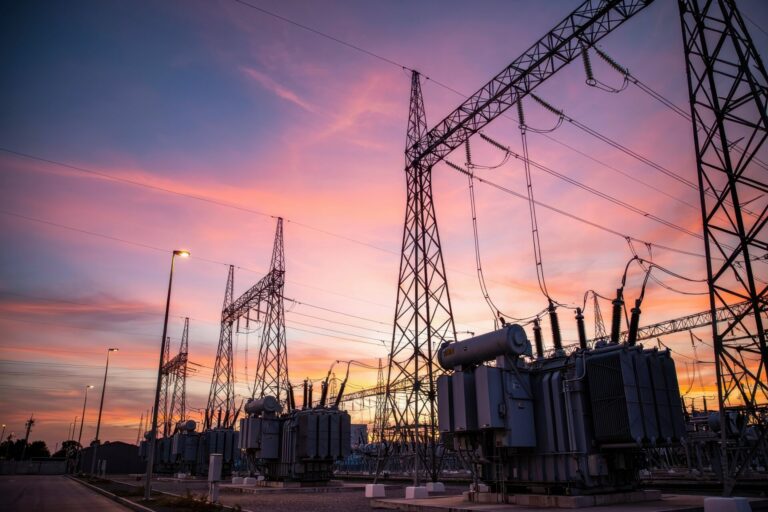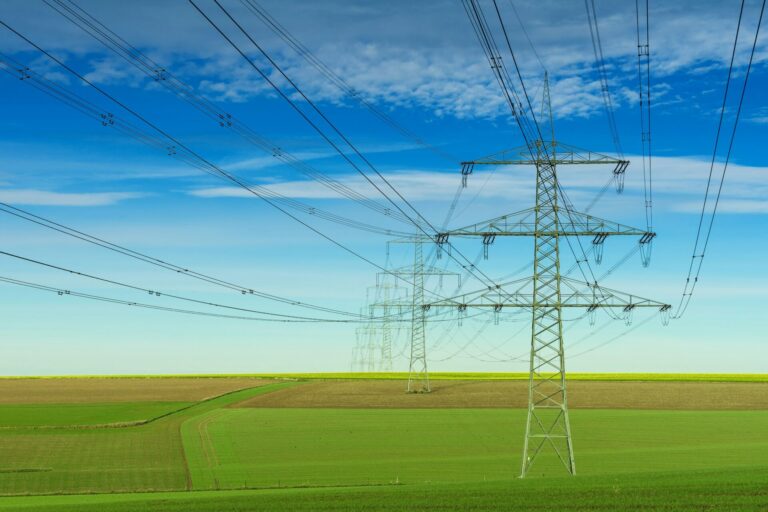
The rapid growth of data centres across the UK is raising concerns about electricity demand, grid capacity and the potential impact on energy bills.
As AI, cloud computing, and other digital technologies continue to develop, the UK is seeing an increasing demand for data centres. However, the electricity infrastructure needed to support this expansion is becoming a growing concern for the energy industry.
Ofgem has warned that unless the costs associated with connecting new data centres to the electricity network are managed appropriately, consumers could face higher energy bills as a result.
Why Are Data Centres Increasing Electricity Demand?
Data centres house the servers and equipment needed to store, process and manage digital information. They play an essential role in supporting everything from everyday online services to increasingly energy-intensive AI technologies.
However, operating these facilities requires significant amounts of electricity, both to power the equipment and to keep it cool. There are currently around 500 data centres operating across the UK, with this number expected to increase by more than a third as the government encourages investment in digital infrastructure.
The National Energy System Operator (NESO) has also projected that electricity consumption from UK data centres could quadruple by 2030, highlighting the scale of the challenge facing the electricity network.

Could Data Centres Lead to Higher Electricity Bills?
One of the biggest concerns surrounding data centre expansion is the cost of upgrading the electricity network to accommodate additional demand. New data centres often require substantial grid connections, and in some cases, existing infrastructure may need to be upgraded before sufficient electricity can be supplied.
These improvements come at a cost, raising questions about how much should be paid by developers and how much could ultimately be passed on to other electricity consumers through network charges. Ofgem’s chief executive, Tim Jarvis, warned that the expansion of data centres could lead to public opposition if consumers are left covering too much of the cost.
The regulator is therefore considering how to ensure developers contribute appropriately towards the infrastructure required to support their projects. While higher electricity bills are not an inevitable outcome, the way these costs are distributed could have implications for households and businesses alike.
Growing Pressure on the UK’s Electricity Grid
The rapid expansion of data centres is also adding to existing challenges surrounding grid capacity and connection delays. The UK electricity network is already under pressure from growing demand, renewable energy developments and the wider transition towards electrification.
According to Ofgem, applications for electricity demand connections increased from 41 gigawatts (GW) to 125GW in less than a year, with data centre projects accounting for at least 80GW of applications. However, not all these projects are expected to proceed, making it difficult for network operators to determine where investment is genuinely required.
In response, Ofgem has proposed reforms designed to prevent speculative data centre developments from occupying valuable space in the grid connection queue. These include introducing commitment fees and requiring developers to demonstrate that their projects are progressing before retaining their connection positions.
The aim is to prevent projects that are unlikely to proceed from delaying developments that are ready to connect.
What Could This Mean for UK Businesses?
Although much of the discussion has focused on household electricity bills, the expansion of data centres could also have wider implications for businesses. Electricity network costs already make up part of business energy bills, alongside wholesale energy prices and other non-commodity charges.
If significant infrastructure investment is required to accommodate growing electricity demand, decisions about how these costs are recovered could influence future business electricity prices.
However, data centre expansion also presents opportunities. If new facilities are developed in suitable locations and can operate flexibly, they could help make better use of renewable electricity that might otherwise go unused.
NESO has highlighted the potential benefits of locating data centres in areas where renewable generation is plentiful but existing grid capacity limits how much electricity can be transported elsewhere.
Data centres are becoming an increasingly important part of the UK’s digital economy, but their expansion highlights the need for careful planning and continued investment in electricity infrastructure.
With demand expected to rise significantly over the coming years, ensuring that network upgrades are delivered efficiently and that costs are distributed fairly will be essential.
At BP Consulting, we help businesses navigate the changing energy market through energy procurement, management and strategic support, helping organisations make informed decisions about their energy requirements. Get in touch today for further guidance and support.