Mon-Fri 9am - 5pm

BP Consulting

Home » Blog » Industry Updates » Ofgem Sets Out Plans for Electricity Network Reform

Ofgem Sets Out Plans for Electricity Network Reform

Our Services

Energy
Management
Ofgem has announced two significant developments concerning Great Britain’s electricity network, launching an inquiry into grid connection delays on 19 November 2026, followed by an update on electricity transmission charging reform on 20 November.
As electricity demand continues to grow, pressures on existing network infrastructure are creating challenges for both energy consumers and developers. Delays in securing grid connections, alongside the costs associated with maintaining and expanding the network, highlight the need for reform.
While the two announcements address different aspects of the electricity network, both form part of wider efforts to improve its efficiency, accessibility and long-term affordability.

Ofgem Launches Inquiry into Grid Connection Delays

Despite recent reforms designed to remove speculative and unviable ‘zombie’ projects from the grid connection queue, Ofgem has revealed that the majority of projects remaining in the reformed queue are facing later connection dates than they were previously offered.
In response, the regulator has launched an urgent inquiry to establish the underlying causes of these delays and identify opportunities to accelerate delivery.
Ofgem is working alongside the Department for Energy Security and Net Zero (DESNZ), the National Energy System Operator (NESO) and network operators to improve outcomes across four key areas:
  • Data Availability:

    Improving access to information surrounding connection dates and the reasons behind delays.

  • Transparency:

    Providing greater clarity around connection offers and the infrastructure work required.

  • Queue Management:

    Introducing further measures to prevent speculative or commercially unviable projects from occupying network capacity.

  • Project Progress:

    Strengthening oversight of development milestones to ensure projects progress appropriately.

Ofgem is also exploring stronger compensation arrangements for customers affected by network-related delays, alongside financial incentives and penalties for network operators based on their performance.
The regulator intends to publish further information on connection outcomes within its Infrastructure Progress Report in February 2027.
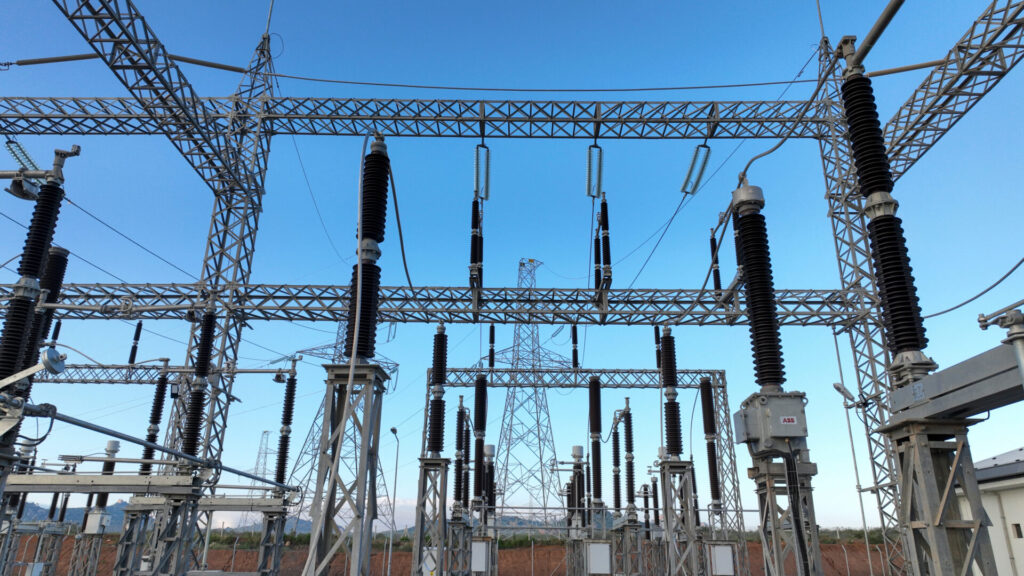
High Voltage Electricity Substation with Power Grid Equipment and Insulators representing ofgem reform

Reforming Electricity Transmission Charges

Alongside addressing connection delays, Ofgem has outlined its priorities for reforming electricity transmission network charging. Transmission Network Use of System (TNUoS) charges contribute towards the cost of operating, maintaining and developing Britain’s high-voltage electricity transmission network.
These charges form part of the non-commodity costs associated with electricity supply and can influence the overall amount businesses pay for their energy, regardless of movements in wholesale electricity prices.
As significant investment is required to accommodate future electricity demand, the way network costs are recovered and distributed is becoming increasingly important.
In its open letter published on 20 November, Ofgem confirmed its intention to prioritise wider strategic reforms through the government’s Reformed National Pricing (RNP) programme, rather than pursuing individual amendments that could conflict with future charging arrangements.
Reformed National Pricing aims to redesign aspects of Great Britain’s electricity market, with fundamental changes to transmission charging expected to be progressed using new powers proposed under the Energy Independence Bill, subject to its enactment.
Ofgem is also exploring transitional arrangements to support the implementation of future charging reforms. However, the precise impact on commercial electricity bills remains uncertain.

Why Is Electricity Network Reform Needed?

The government expects electricity demand to more than double by 2050, driven by industrial electrification, transport, emerging technologies and economic growth.
From manufacturers transitioning towards electrically powered equipment to the rapid expansion of data centres, businesses are placing new demands on infrastructure that was not originally designed to accommodate electricity consumption on this scale.
Expanding the network requires substantial investment, creating a difficult balance between increasing available capacity, accelerating connections and managing the costs passed on to energy consumers.
Reforming how businesses access the electricity network and how its associated costs are recovered will therefore play an important role in supporting future economic growth.

What Could These Reforms Mean for Businesses?

Although neither announcement guarantees immediate improvements, the developments could have longer-term implications for businesses, including:
  • Business Expansion:

    More predictable connection timescales could reduce uncertainty surrounding new premises and infrastructure investments.

  • Electricity Capacity:

    Improvements to the connections process could support businesses requiring increased supply capacity.

  • Non-commodity Costs:

    Changes to transmission charging methodologies could influence the composition of future electricity bills.

  • Energy Budgeting:

    Greater transparency could help organisations make more informed long-term financial and operational decisions.

The extent of these benefits will ultimately depend on how the reforms are implemented and whether network infrastructure can be delivered at the pace required.
With Britain’s electricity market undergoing significant change, understanding the wider factors influencing energy costs and supply arrangements is increasingly important.
At BP Consulting, we support organisations with comprehensive energy procurement, management and strategy solutions, helping them navigate an evolving energy landscape, identify cost-saving opportunities and make informed decisions about their future energy requirements.

Speak to our team to discuss your energy strategy. 

Facebook
LinkedIn
Discover More