Spirit Energy has completed a £40 million decommissioning campaign in the North Sea, plugging and abandoning three subsea gas wells as ageing infrastructure across the basin continues to reach the end of its operational life.
The project, carried out between April and July 2026, covered the Seven Seas and Grove G5 production wells alongside the Grove Deep exploration well. More than 234 tonnes of subsea infrastructure were removed during the campaign, with all recovered materials expected to be reused or recycled at UK yards.
Why Were the Wells Decommissioned?
Offshore oil and gas wells are decommissioned once they reach the end of their productive lives and continued operation is no longer considered viable. Operators are then responsible for safely plugging and abandoning the wells and removing infrastructure that cannot be repurposed.
The two producing wells involved in the latest campaign had already stopped supplying gas. Grove G5 produced between 2008 and 2019, while Seven Seas began production in 2012 before ceasing in 2024. Together, the wells produced approximately 56 billion cubic feet of gas, equivalent to enough gas to heat more than 2.5 million homes for a year.
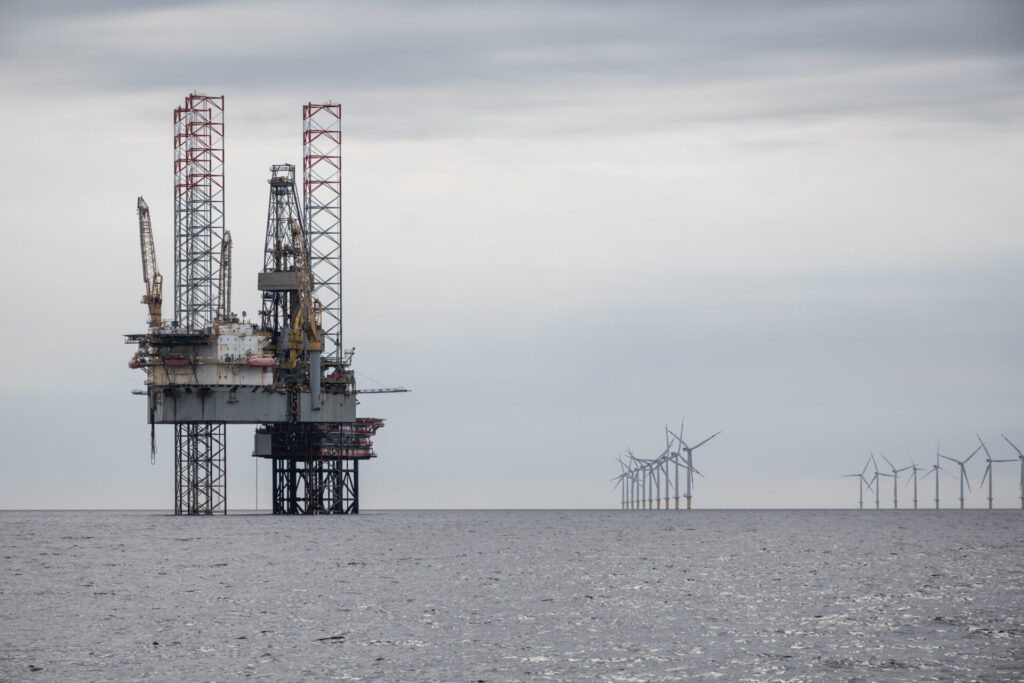
Their retirement reflects the natural decline of old North Sea assets rather than the premature closure of actively producing wells. The operation required more than 114,000 hours of work and involved over 30 UK supply chain companies. Specialist vessels, remotely operated vehicles and the Well-Safe Protector jack-up rig were used throughout the project.
Decommissioning Becomes a Growing North Sea Priority
The latest project provides a small-scale example of a much wider change taking place across the UK Continental Shelf.
After decades of production, a significant proportion of North Sea infrastructure is approaching the end of its economic life. This means decommissioning is expected to become an increasingly important part of offshore activity as wells, platforms and pipelines are retired.
The North Sea Transition Authority (NSTA) is encouraging operators to collaborate and share resources through its Decommissioning Charter, with the aim of completing work safely while improving efficiency and reducing costs. Spirit Energy’s latest campaign followed this collaborative approach, combining several decommissioning operations within a single programme.
Decommissioning also represents a significant economic opportunity. Specialist engineering, offshore vessels, well services and recycling facilities will all be required as more infrastructure reaches the end of its operational life, potentially allowing expertise developed through decades of North Sea production to remain within the UK energy sector.
What Does This Mean for the Future of the North Sea?
The retirement of the three wells highlights the changing role of the North Sea within the UK’s energy system. Declining production from mature fields means domestic oil and gas output cannot continue indefinitely at historic levels. At the same time, debate continues around how quickly remaining resources should be developed as the UK balances energy security, affordability and its long-term net zero commitments.
This creates a more complex future for the basin. Oil and gas production will continue from existing assets, while decommissioning activity increases alongside investment in technologies including offshore wind, carbon capture and storage and other low-carbon infrastructure.
The scale of the transition is substantial. Around 1,700 UK offshore wells are expected to require plugging and abandonment over the coming six years, illustrating how decommissioning is likely to become one of the defining activities within the North Sea supply chain.
Reusing North Sea Expertise
Importantly, decommissioning does not necessarily mean the disappearance of the UK’s offshore energy industry.
Spirit Energy’s campaign demonstrates how existing engineering expertise and supply chains can be redirected towards safely retiring infrastructure. The commitment to reuse or recycle 100% of recovered subsea materials within UK yards also shows how decommissioning can support domestic businesses while reducing waste from retired assets.
As more fields reach the end of production, successfully managing this transition will become increasingly important. The challenge for the UK will be ensuring that decommissioning takes place safely and cost-effectively while retaining the skills, infrastructure and investment required for the next stage of the country’s energy system.
The £40 million Seven Seas and Grove campaign may represent the end of three individual North Sea wells, but it also reflects a much broader shift already underway across one of the UK’s most important energy regions.