The UK’s data centre sector is set for significant expansion as demand for artificial intelligence, cloud computing and digital services continues to grow.
One of the developments attracting attention is the proposed data centre campus in Blyth, near Newcastle. The major project highlights both the potential economic benefits of data centre investment and growing concerns surrounding energy and water consumption.
Major Data Centre Development Planned Near Blyth
The proposed QTS data centre campus would be built on former industrial land at Cambois, close to Blyth and north of Newcastle.
Plans include multiple buildings across a substantial site, transforming land previously associated with the former Blyth Power Station into infrastructure designed to support the UK’s growing digital economy.
The development is expected to represent billions of pounds of investment in the North East, while creating jobs during construction and supporting longer-term employment.
With development expected to continue towards 2031, the project is an example of the scale of data centre investment now being proposed across the UK.
Why Is Data Centre Demand Growing?
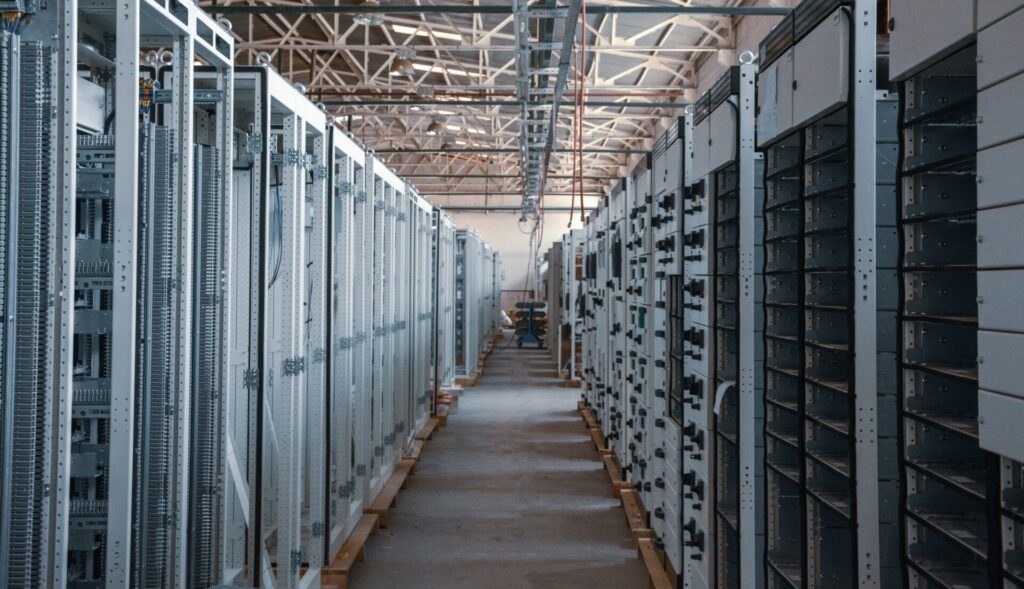
Much of the current growth can be linked to the rapid expansion of AI and cloud computing. AI models require considerable power, which in turn requires physical infrastructure. Data centres contain thousands of servers operating around the clock to process and store huge quantities of information.
As organisations increasingly adopt AI and cloud-based technologies, demand for this infrastructure is expected to continue rising.
What Does This Mean for Energy Demand?
Although digital services can appear largely invisible to users, the infrastructure behind them requires significant amounts of electricity. Servers operate continuously and generate considerable heat, meaning electricity is required both to power computing equipment and to keep it cool.
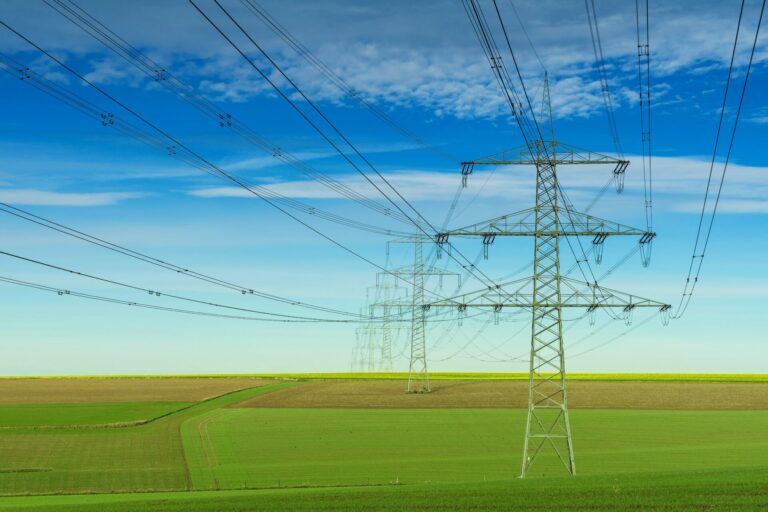
Large centres can therefore create substantial new electricity demand. This comes at a time when the UK is already preparing for increased electricity consumption from electric vehicles, heat pumps and the electrification of industry.
Why Is Water Use Causing Controversy?
Water consumption has become another major issue surrounding data centre development. Some use water-based cooling systems to prevent servers from overheating. Depending on the technology used, the location and the size of the facility, this can create considerable demand for water.
The issue has become particularly controversial because parts of the UK are already facing concerns over future water availability. Questions are therefore being raised about whether rapidly expanding data centre capacity could place additional pressure on local supplies.
The Blyth Site Highlights a Complicated Picture
The proposed Blyth development also demonstrates why data centre water consumption cannot always be represented by one headline figure. The developer has promoted closed-loop cooling technology designed to minimise direct water consumption at the facility.
However, campaigners have argued that the wider water footprint should also be considered, including water used elsewhere in the process of generating the electricity required to power the site. This distinction between direct and indirect water consumption has become an important part of the wider debate around the environmental impact of data centres.

Are There Benefits to Data Centre Growth?
Despite the concerns, there are also significant potential benefits. Data centres are essential infrastructure for modern economies. Banking, communications, healthcare systems, cloud computing and an increasing number of AI services all rely on them.
New developments can also attract substantial investment, create construction and technology jobs and support regeneration in areas previously associated with traditional industries. For Blyth and the wider North East, the scale of proposed investment could help establish the region as an important location for the UK’s growing digital economy.
Could Data Centres Support the Energy Transition?
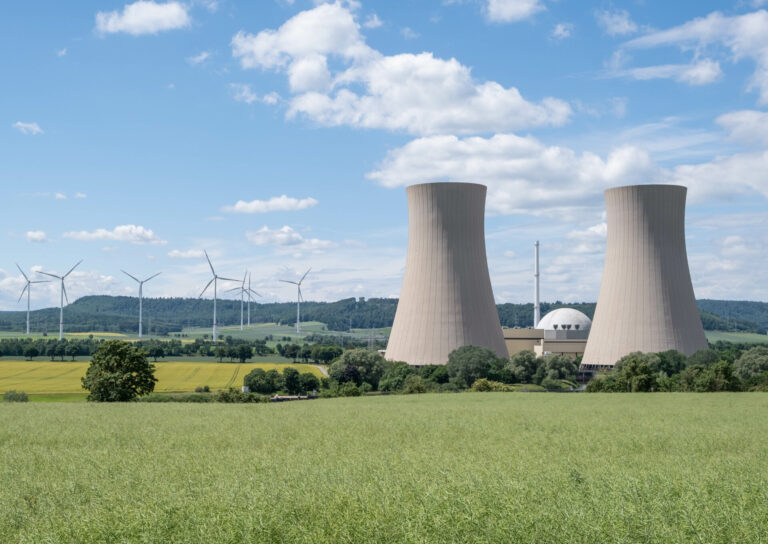
There are also opportunities to reduce the environmental impact of future facilities. Data centres generate large quantities of heat, creating the potential for waste heat to be recovered and supplied to nearby buildings or district heating networks.
Renewable generation, battery storage and flexible electricity consumption could also become increasingly important as operators look to reduce their reliance on the grid during periods of high demand. Meanwhile, technologies such as closed-loop cooling and recycled water could help reduce pressure on drinking water supplies.
Infrastructure Will Be Key to Future Growth
The debate surrounding Blyth reflects a much wider challenge facing the UK. AI, electric vehicles, heat pumps, industrial electrification and data centres are all expected to contribute to increasing electricity demand over the coming years.
Supporting that demand will require continued investment in renewable generation, electricity networks, storage and other forms of flexibility. Water infrastructure will also need to be considered when determining where particularly large data centres should be developed.
The UK’s growing data centre sector presents both an economic opportunity and an infrastructure challenge. Developments such as the proposed Blyth campus could bring significant investment and support the country’s ambitions in AI and digital technology. At the same time, their electricity and water requirements cannot be overlooked.
As more facilities are proposed, the focus will increasingly be on whether data centre growth can be matched by investment in the energy and water infrastructure required to support it.